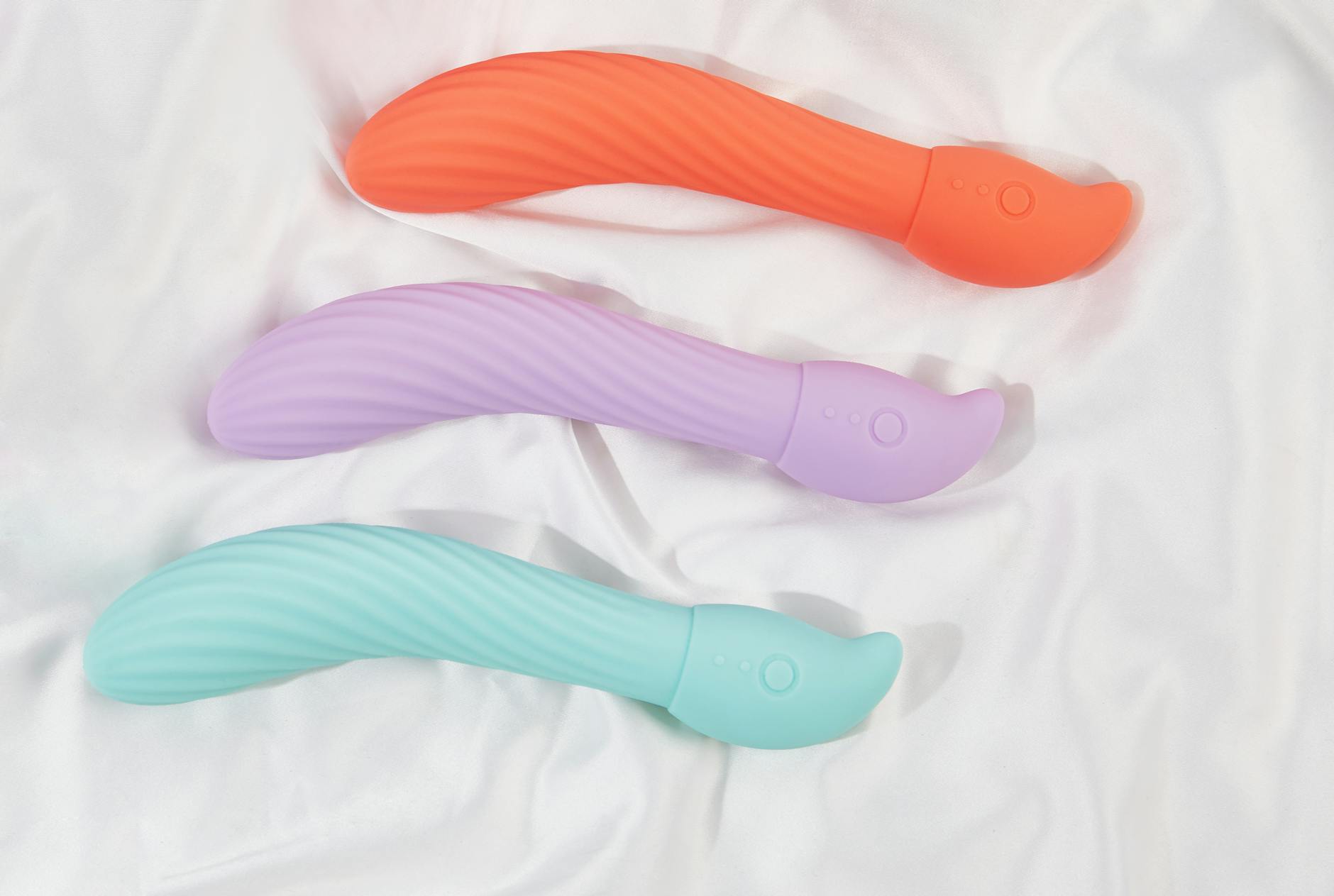
How Lemon Clitoral Vibrators Improve Pleasure When Hormones Affect Sensation
Hormonal shifts change how your body responds to touch. Here's why lemon suction vibrators like the Lem work differently (and often better) than traditional vibrators when sensation becomes unpredictable.
Let's be real: hormonal fluctuations mess with sensation. Whether it's menopause, thyroid shifts, medication side effects, or cycle changes, your clitoris doesn't respond the way it used to. The intensity feels different. Arousal takes longer. Sometimes stimulation that used to feel amazing now feels too sharp or not sharp enough. You're not broken. Your nervous system is just working with a different hormonal backdrop.
Here's what nobody tells you: the type of vibrator you use matters way more when hormones shift. Traditional vibrators rely on direct friction and penetration. Lemon clitoral vibrators work completely differently. They use suction instead of vibration alone. This distinction isn't academic. It changes everything about how your body responds when sensation feels unpredictable.
Traditional vibrators send stimulation through the tissue via mechanical vibration. The clitoris has to interpret that signal through whatever hormonal lens is currently active. When estrogen drops or hormones fluctuate, the tissue thins slightly, the nerve endings shift their sensitivity, and suddenly that favorite vibrator feels either too intense or too muted.
Suction-based lemon clitoral vibrators like the Lem work by creating a gentle vacuum that draws tissue into the device, then releasing in a pattern. Instead of relying on friction, this approach engages a completely different neural pathway. You're not forcing sensation through tired nerve endings. You're creating a broader, gentler signal that the body can actually feel clearly, even when hormones are doing their thing.
Clinically, this matters because suction activates both the clitoral bulbs and the surrounding tissue at once. Traditional vibration is narrower. When your hormonal situation has made your clitoris more sensitive to direct pressure, suction spreads the stimulation across a larger area, which often feels more approachable and more intense all at once. Counterintuitive, but real.
During perimenopause and menopause. Estrogen controls clitoral tissue thickness and blood flow. As it drops, many people find their clitoris becomes more sensitive to direct vibration but paradoxically harder to arouse. A suction-based lemon clitoral vibrator paradoxically feels more accessible because the broader stimulus footprint gives your nervous system more to work with. You're not fighting against over-sensitivity. You're working with it.
After stopping hormonal birth control. The first 3-6 months post-pill, sensation normalizes as your natural hormones return. For many people, this means temporary hypersensitivity followed by a recalibration period where nothing feels quite right. Lemon vibrators are particularly useful here because you can start on the gentlest setting and let suction do most of the work while your nervous system adjusts.
During thyroid or metabolic shifts. Thyroid hormones affect metabolism and blood flow. When thyroid function dips, everything slows. Arousal takes longer. Orgasms feel distant. A traditional vibrator just vibrates harder, which doesn't fix the underlying blood flow issue. Suction encourages blood flow directly to the tissue, which can actually restore sensation even when your thyroid is dysregulated. This is one of the more underrated uses of clitoral vibrators when hormones are truly out of balance.
Across your cycle if you have one. During the follicular phase (post-period), rising estrogen typically increases clitoral sensitivity. During the luteal phase, progesterone rises and sensitivity often dulls. A lemon suction vibrator handles this variability better than a traditional vibrator because you can modulate the sensation without constantly switching tools. You're not hunting for a different vibrator mid-cycle. You're adjusting intensity on the same device.
First, start low. The biggest mistake people make when switching from traditional vibrators to a lemon clitoral vibrator is going straight to setting 3 or 4. If your hormone-shifted clitoris feels numb, going harder doesn't fix it. Start at setting 1. Spend 2-3 minutes at each level. Let your body adapt to what suction actually feels like, which is different from vibration.
Second, warm up longer. When hormones affect sensation, arousal doesn't happen on the same timeline as before. Budget 15-25 minutes for full arousal even if you used to get there in 5. The clitoral tissue needs time to swell with blood. Suction actually accelerates this process compared to vibration alone, but you still need to give it runway.
Third, use lubrication even if you don't think you need it. This is genuinely important. Lemon clitoral vibrators create a seal with the tissue. If there's any dryness at all (which is common when hormones are weird), that seal breaks and sensation flatlines. A tiny bit of water-based lubricant on the opening of the device makes a profound difference. Not for comfort, necessarily. For actual sensation.
Fourth, pay attention to positioning. With traditional vibrators, you can kind of move around and find the right angle. With suction-based devices, seal and positioning matter way more. Spend a minute finding the angle that creates the fullest sensation. Usually, this is with the device opening fully covering the clitoral glans. You'll feel it click into place.
When you're using a lemon clitoral vibrator correctly for the first time, you often feel sensation you'd forgotten was possible. This isn't because lemon vibrators are magic. It's because suction engages the clitoral bulbs, which are rarely stimulated by traditional vibration alone. For people whose hormones have dulled sensation, this feels like recovering pleasure you thought was gone.
This matters psychologically in ways that extend beyond the device itself. When pleasure genuinely feels accessible again, the mental load lifts. You're not performing for a partner. You're not trying to manufacture desire. You're not wondering if something is permanently broken. You feel like yourself again. That shift is as important as any physical sensation.
If suction feels uncomfortable or if using a lemon clitoral vibrator triggers pain, stop and talk to someone. Pain during stimulation sometimes signals genitourinary syndrome of menopause (GSM), which is highly treatable with topical estrogen cream. Sometimes it's pelvic floor tension, which responds to physical therapy. Sometimes it's just that particular device isn't the right fit for your anatomy. None of these are permanent problems. They're signals to get support.
If you've been using a lemon clitoral vibrator for three weeks and sensation still feels completely absent, that's worth discussing with your doctor too. Sometimes unexplained numbness can indicate thyroid issues, vitamin deficiencies, or medication side effects that benefit from clinical attention.
The goal isn't to force pleasure. It's to work with your body's current reality.
Yes, and you should. Numbness often responds better to suction than to traditional vibration because suction engages a broader nerve pathway and increases blood flow directly to the tissue. Start at the lowest setting and give yourself permission to spend 20-30 minutes just exploring sensation without the goal of orgasm. Often, sensation returns gradually over several sessions as blood flow normalizes to the area.
Most people notice a difference in the first or second session. Some feel it immediately. The suction sensation is fundamentally different from vibration, so your nervous system recognizes it as novel stimulation. That novelty alone can restore sensation that hormonal changes have dulled. If you're not feeling anything after three sessions, check your seal and lubrication before assuming it's not working.
Yes, especially if your clitoris feels hypersensitive. The seal of a suction device can feel intense initially, which is why starting at setting 1 matters. It's also worth noting that discomfort and intensity are not the same. Intensity should feel strong and pleasurable. Discomfort should not. If you're experiencing true discomfort (not just intensity), reduce the setting and ensure you have adequate lubrication at the seal.
Absolutely. In fact, this is one of the best uses. During high-estrogen phases (follicular), you might prefer higher settings. During high-progesterone phases (luteal), you might prefer lower settings with longer warm-up time. The nice thing about lemon vibrators is that you're adjusting one device rather than rotating through multiple tools. Track what settings feel best each week and you'll quickly map your cycle's effects on sensation.
Hormone levels can be technically "normal" on bloodwork and still create noticeable sensation shifts, especially if levels have dropped from your personal baseline. Additionally, some people's nervous systems are simply more responsive to suction stimulation than to vibration. This isn't a problem with your hormones. It's just a mismatch between tool and body. The right tool makes everything easier.
Both things happen. Initially, you're experiencing novelty (new stimulus = heightened attention). Over several weeks, though, if hormonal balance is improving, you genuinely do feel increased sensation as blood flow stabilizes and tissue adapts. The key indicator is whether sensation continues to improve or plateau after four weeks. Plateau is fine. It means the device is maintaining your baseline. Continued improvement suggests your hormonal situation is actually shifting.
Your pleasure is not a fixed thing. It's a conversation between your nervous system, your hormones, your partner (if you have one), and the tools you're using. When hormones shift, sometimes that conversation gets harder. Lemon clitoral vibrators aren't a hack to force sensation. They're a translation tool that lets your current body have access to pleasure that traditional vibrators can't deliver.
If you're curious about how a lemon vibrator specifically might work for your situation, start with a single session without expectation. Notice what feels different. Let your body tell you whether this is the right tool. If it is, you've got something that'll probably serve you for years. If it's not, that's information too.
You deserve pleasure that actually feels good in your actual body, right now. Not the body you had before hormones shifted. Not the body you think you should have. This one.