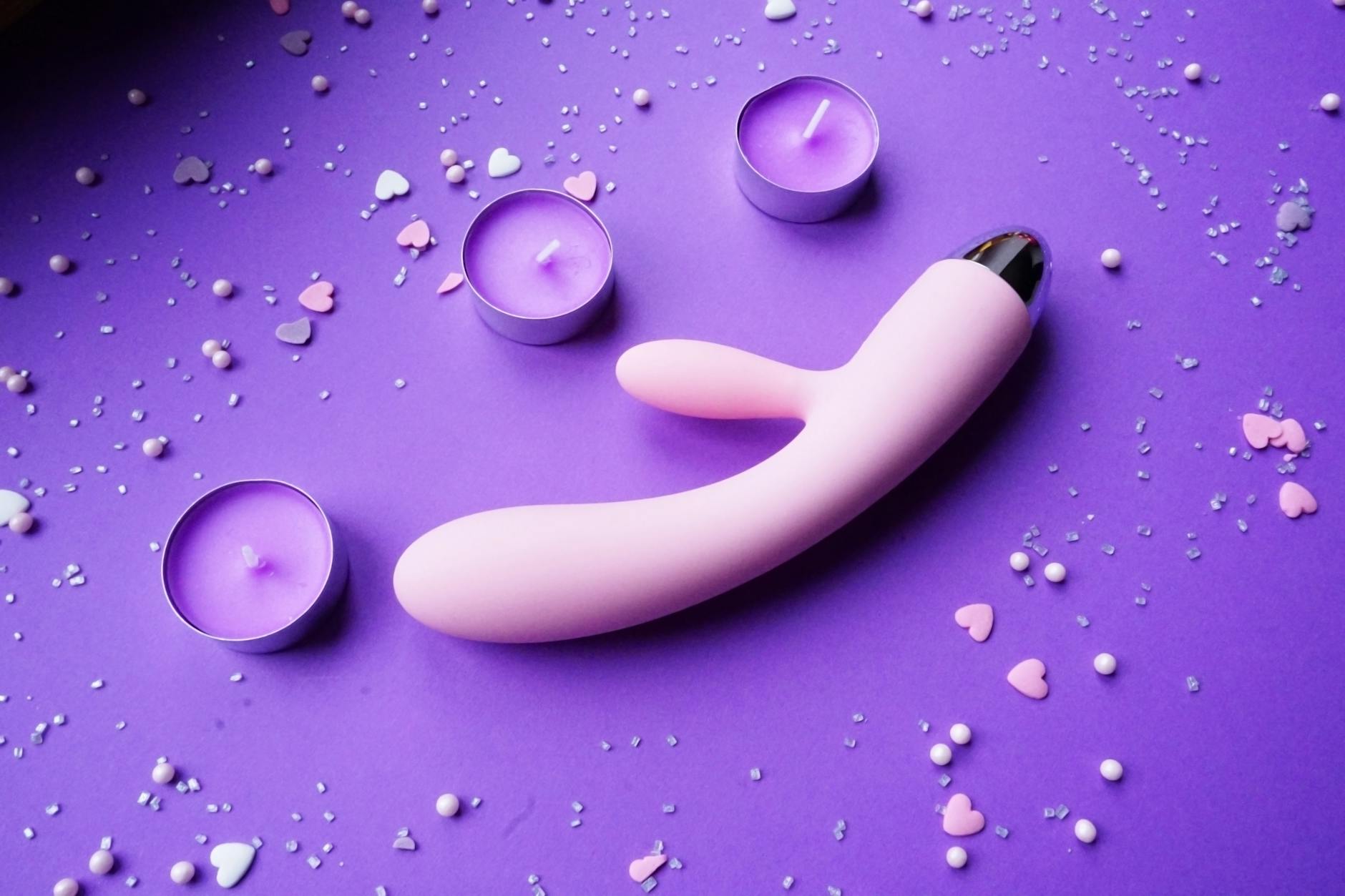
Adding a lemon vibrator during penetrative sex with a partner isn't complicated. What makes it feel complicated is that most people try to figure it out in the dark, mid-act, without a conversation, while also worrying about whether their partner finds it weird. So let's cut straight through that: it's not weird, it works beautifully, and the actual mechanics are much simpler than you think.
The reason lemon clitoral vibrators work so well during partnered penetration is mechanical. Penetration alone stimulates the vaginal wall and G-spot. Adding a lemon vibrator targets the clitoris simultaneously, which means you're getting two different types of sensation at once. That's not redundant. That's synergistic. For many people, adding clitoral stimulation during penetration transforms the experience from pleasant to intense.
But getting there requires three things: the right angle, the right lube, and a five-minute conversation beforehand. That's literally it.
The biggest hurdle is physical: during penetrative sex, the clitoris and the area where your partner is penetrating aren't always easily accessible at the same time. If you're on your back and your partner's on top, the angle between their body and your clitoris creates a conflict. The vibrator either has to bend awkwardly, press against your partner's body uncomfortably, or you have to shift position entirely.
Solution: change positions slightly. You don't need to stop or restart. A small adjustment works:
If you're on your back: Ask your partner to angle slightly toward your hip rather than directly over your center. This opens up space between your bodies. The lemon vibrator now sits neatly against your clitoris without pressing into them. You get the same depth and angle of penetration, just rotated a few degrees.
If you're on top: This is actually the easiest position for adding a lemon clitoral vibrator. You control the depth and angle of penetration, which means you also control where the vibrator sits. Hold the lemon toy against your clitoris while you move. Your hands are free and the angle is natural.
If you're from behind: This one requires the most communication beforehand because the clitoris isn't easily accessible without you or your partner reaching. The workaround: your partner can hold the vibrator against your clitoris while penetrating from behind. Alternatively, you can reach down and hold it yourself. The key is agreeing on who's holding what before you start.
If you're side-by-side: Genuinely underrated position for vibrator integration. You're already close, you can both reach easily, and there's built-in space. The vibrator doesn't interfere with anything.
Lemon vibrators work best with water-based lubricant because it reduces friction and makes the sensation feel more fluid rather than mechanical. If you're using a silicone toy like the Lem, avoid silicone-based lube entirely because it degrades the material. Water-based lube also makes penetration smoother for your partner, which means they can focus on angle and rhythm rather than discomfort.
Apply lube to the clitoral area before the vibrator makes contact. This does three things: it reduces any sensation of buzzing that feels too sharp or intense, it lets the vibrator glide rather than grip, and it creates a barrier that makes cleanup less messy afterward.
If you're already using lube during penetration (which most people are), you're already set. The same lube works for both.
This is where most couples get stuck, so let's be direct. The conversation doesn't need to be long or formal. It needs to happen outside of the bedroom, ideally when you're both relaxed and not about to have sex.
Say something like: "I want to try using a lemon vibrator during sex with you. I think it would feel really good, and I want to know if you're interested in trying it." Then stop talking and listen.
Your partner might say yes immediately. They might ask questions. They might need time to think about it. All of those responses are fine. What's not fine is assuming they're not interested, or waiting until you're mid-penetration to bring it up.
If they ask why you want to add it, the honest answer is: "Because penetration alone doesn't usually get me to orgasm, but adding clitoral stimulation does." This isn't a criticism of them or their body. It's a fact of how your body works. Frame it that way.
If they're hesitant, the hesitation is usually about one of three things: They're worried it means they're not enough. They're worried about the mechanics being weird. They're worried about their own pleasure being forgotten. Address each directly.
"It has nothing to do with you not being enough. My body needs clitoral stimulation to orgasm. This is about adding something that helps me finish, not replacing what we already do."
"The mechanics are simple. I'll show you how it works beforehand so there are no surprises."
"Your pleasure matters too. We can absolutely take turns or find a position where you can also have stimulation." (And yes, if your partner has a penis, they can absolutely move inside you while you hold the vibrator. They won't feel it working against them.)
Once you've had the conversation and you're ready to try it, here's the sequence:
Start with foreplay as usual. Build arousal naturally. Your partner can use their hands, mouth, or other tools while you're getting ready.
Once penetration begins, give it a few moments. Let your partner find their rhythm. Once they're moving smoothly and you both feel settled into it, that's when you introduce the vibrator.
Turn the vibrator on at a lower setting (patterns 1-3 on a lemon clitoral vibrator like the Lem). You're not trying to create the most intense sensation possible right now. You're integrating a new element.
Hold it against your clitoris and let your partner continue moving. Don't overthink the angle. Adjust as you go.
Pay attention to your arousal. Most people find that adding the vibrator accelerates the build significantly. You might orgasm faster than you're used to. That's the point, and it's good.
If you do orgasm, your partner can keep moving or stop depending on what feels good. You get to decide. If you don't orgasm but you're getting close, keep going. If the sensation becomes too intense, lower the pattern number or turn it off and come back to it.
That's the whole thing. No special skills required.
Will my partner feel the vibration? Not usually. If they're inside you, they might feel a subtle buzzing against the vaginal wall, but it's mild. Think of it like the difference between feeling someone touch your leg and feeling them touch the other person sitting next to you. You know it's happening, but it's not the dominant sensation.
What if the vibrator gets in the way? It won't, if you've chosen a position that has space. The lemon clitoral vibrator has a compact design specifically because it's meant to sit on the clitoris without taking up pelvic real estate. It's not like you're trying to fit a full-size wand between two bodies.
What if I lose the vibrator inside? Not possible. The clitoris is external. The vibrator is against your skin, not inside your body. You're holding it in your hand or your partner is holding it. There's zero risk of it going anywhere.
What if my partner feels emasculated? This is real insecurity for some people, and it deserves honest conversation. The best framing is: "I want more pleasure from our sex. That's actually about wanting to connect with you more deeply, not less. Adding this tool helps me get there." And then follow through. Make sure your partner knows their role in this is important. Their movement, their presence, their attention to you matters.
When you bring a lemon vibrator into partnered sex, you're doing something vulnerable. You're saying, "Here's something my body needs." And you're asking your partner to participate in meeting that need rather than handle it alone. That's intimacy. That's collaboration. And when it works, it's transformative because both people get more pleasure instead of one person settling for less.
Absolutely. Some couples integrate it into every session. Others use it sometimes and skip it other times. What matters is that it's a choice you both make together, not a requirement. Think of it like lube or positions. You use what serves you.
Not necessarily. Any well-designed lemon vibrator works. The Lem is compact and easy to control, which makes it popular for partnered play, but other lemon adult toys work fine too. The key is something you can hold comfortably while your partner is moving inside you, which rules out giant wands but works for clitoral vibrators in general.
That's great. Some couples prefer it because it frees you up to focus on sensation and movement. If your partner is doing the holding, they need clear feedback about pressure, pattern, and speed. "A little lower," "lighter pressure," "keep that pattern" are all things you might say.
It's not weird. It's common. Penetration alone doesn't trigger orgasm for most people with vulvas. Adding clitoral stimulation changes that. You're not broken or less responsive. You're just being realistic about how your body works.
Maybe a little. Some people report mild buzzing sensation against the vaginal wall. Most report barely noticing. The vibration is concentrated on the clitoris, which is external, so internal sensation is minimal. Your partner's focus is usually on the movement and tightness around them, not on vibration they're barely feeling.
Lower the pattern. Most lemon clitoral vibrators have adjustable intensity levels. Start low and build up. If even the lowest setting feels too much, step back and try again in a few minutes when arousal has built more naturally. Sometimes sensation feels more manageable when you're already highly aroused.