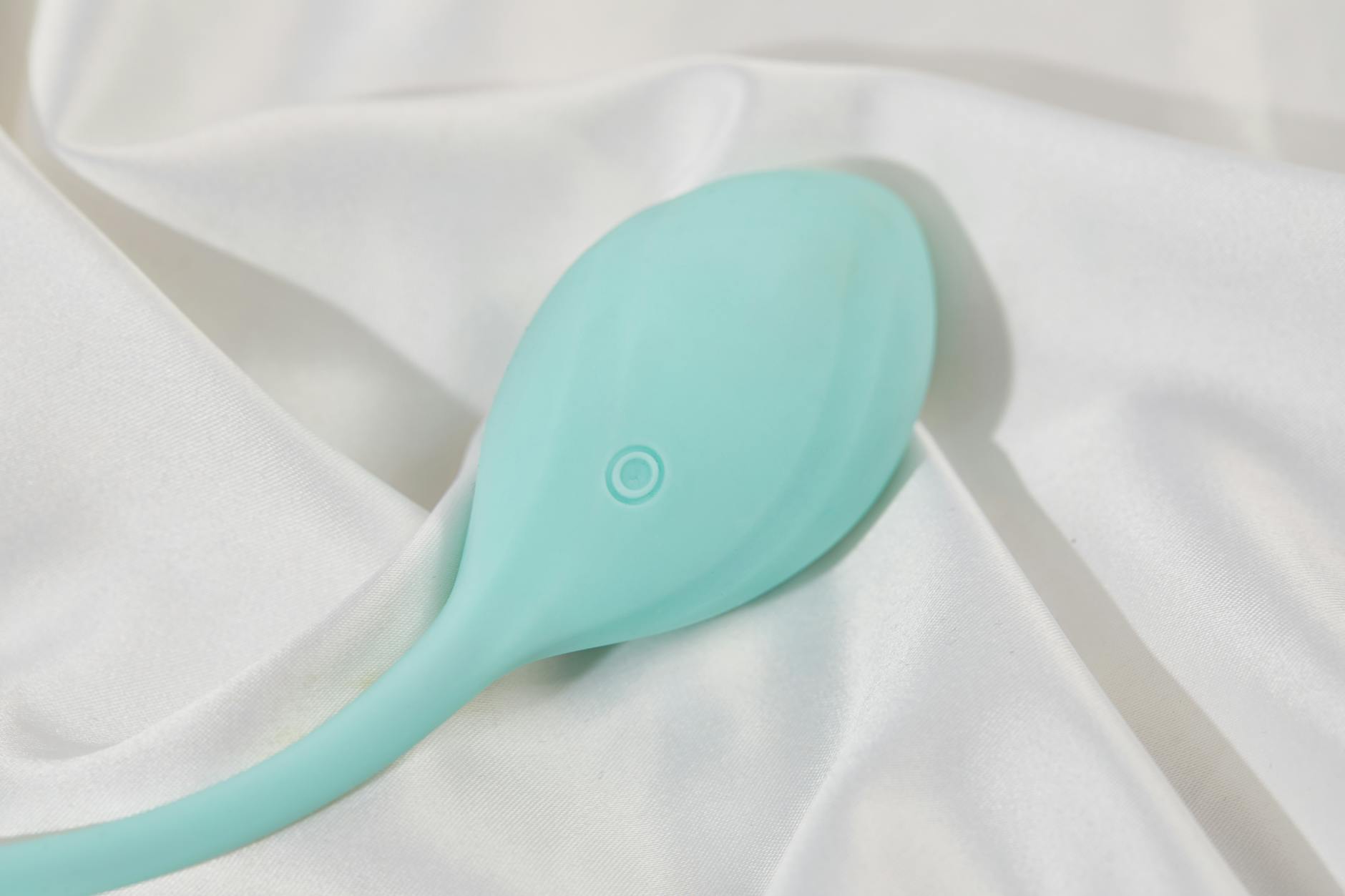
Low sensation is one of the least talked about sexual challenges, and honestly, it's also one of the most frustrating. You're present, you're trying, but your body feels like it's behind thick glass. Touch that used to light you up now barely registers. Orgasm, when it comes at all, feels muted or distant.
Let's start here because understanding the root matters. Low sensation isn't laziness or prudishness. It's a real physiological state, and it has real causes.
Medications are huge. Antidepressants, antihistamines, blood pressure meds, and hormonal birth control all mess with sensation and arousal. Stress and anxiety literally numb you out. Your nervous system goes into protection mode and shuts down the signals that feel good. Hormonal shifts (whether from your cycle, perimenopause, or another source) alter how sensitive nerve endings are.
Numbing also happens after emotional trauma, relationship conflict, or even just years of not prioritizing your pleasure. Your body learns to disconnect.
The clitoris has about 8,000 nerve endings concentrated in a tiny area. But if those nerves aren't being activated regularly, the neural pathways get quiet. It's like a muscle that's gone unused.
This is not permanent. But waking it back up takes intention.
This is the core reason I recommend a lemon vibrator specifically when someone describes numbness or low sensation.
Traditional vibrators create rapid surface-level stimulation. If your nerves are already quiet, that buzz can feel like white noise. It hits the same frequency over and over. Your nervous system habituates to it, meaning it stops noticing.
Suction (the kind a lemon clitoral vibrator delivers) works differently. It creates pressure and release cycles. The suction pulls on tissue, activating deeper nerve endings and creating a sensation of intensity that vibration alone doesn't achieve. The pulsing rhythm is also more varied, so your body doesn't habituate as quickly.
Clients often describe it as feeling more alive or awakened. The stimulation has a quality that demands your attention.
This sounds counterintuitive when your goal is to feel more, but it's essential.
If you jump to intensity level 5 or 6, your nervous system might interpret it as overstimulation and shut down further. Instead, start at level 1 or 2. The suction pulse should feel noticeable but not overwhelming. You're not trying to chase an orgasm yet. You're reacquainting your body with sensation.
Spend 10 to 15 minutes at low intensity, just exploring how different pulse patterns feel. Some people find that a steady rhythm works best. Others prefer the pulsing or escalating patterns. There's no right answer. The point is to pay attention and let your nervous system resettle into pleasure without panic.
When sensation is low, people often rush. The thinking goes: if I'm not feeling much, maybe I need to go harder or faster. That backfires.
Instead, budget more time. If you'd normally spend 15 minutes on foreplay or solo warm-up, give yourself 30. Let your body gradually remember what arousal feels like.
Use lubrication generously. Water-based lube helps the clitoral tissue become more receptive and makes the suction feel smoother. It also removes friction that might feel uncomfortable when sensation is already muted.
Touch other parts of your body too. Your breasts, your inner thighs, your neck. Activate different sensory pathways. When your nervous system realizes pleasure is happening in multiple places, it starts to engage more fully.
Most lemon vibrators come with multiple pulse and pattern settings. Use them.
Constant suction at one level can feel monotonous when you're already struggling with sensation. But switching between patterns every few minutes keeps your nervous system engaged. It's the difference between listening to the same note on repeat versus hearing a melody.
I recommend cycling through three different patterns over a 20-minute session. Spend 5 to 7 minutes on one, then shift. This rhythm keeps your body attentive and often triggers deeper arousal.
When sensation is low, your breathing is usually shallow. Your nervous system is still in a low-grade protective state. Deliberate breathing reverses that.
As you use your lemon clitoral vibrator, sync your breath to the suction pattern. Breathe in during the pause, out during the pulse. Or find a rhythm that feels natural. This sends a signal to your nervous system that you're safe and that pleasure is worth paying attention to.
Many people find that breath awareness alone opens up sensation they thought was gone.
When you've been struggling with numbness, the moment something starts to feel good, you tense up. You grip. You focus hard on "making it happen." That tension shuts sensation back down.
Instead, treat the first few sessions as sensation exploration, not orgasm targets. Your only job is to notice what feels good and stay with it. If an orgasm happens, great. If not, you've still woken up nerve endings that were sleeping. That counts as a win.
Lemon vibrators make this easier because the sensation is so distinct that you can get absorbed in it without chasing a destination.
If low sensation started after you began a new medication, that's worth a conversation with your doctor.
You might have options. Sometimes switching to a different SSRI, adjusting timing, or adding a second medication that counteracts sexual side effects helps. If you're on hormonal birth control and suspecting it's dampening sensation, explore alternatives.
For hormonal shifts (particularly perimenopause or menopause), a doctor can assess whether you're a candidate for topical estrogen or testosterone, both of which improve sensation and arousal. These aren't permanent fixes, but they can be the bridge you need while you rebuild sensitivity.
If you have a partner, the temptation is to skip the solo exploration and jump straight to using a lemon vibrator together.
I'd actually encourage the opposite. Spend 2 to 4 weeks using it solo first. Get familiar with what feels good and how your body responds when there's no performance pressure. Then introduce it to partner sex.
When your partner is involved, ask them to slow down too. Lower the intensity. Use it for foreplay rather than as the main event. The combination of suction from the lemon vibrator plus your partner's touch often rekindles sensation faster than either alone.
Sensation doesn't return overnight. But it does return.
Most people notice a shift within 2 to 3 weeks of consistent use. The clitoris becomes more responsive. Orgasms feel stronger and come more reliably. Some people report that sensation extends beyond the clitoris too. Penetration feels different. Your partner's touch feels sharper.
If you're 4 weeks in and still not noticing a shift, check these things. Are you using a high enough intensity level? Are you giving yourself enough warm-up time? Are you still in a stressed or anxious state? Are you taking a medication that dampens sensation and not addressing it?
Low sensation is real and it's frustrating, but it's also one of the most responsive issues I see. Your body wants to feel good. Sometimes it just needs permission and the right tool.
Temporary low sensation usually has a clear trigger. You started a new medication, you're going through a stressful period, your relationship hit a rough patch. Permanent sensation loss is rare unless there's nerve damage from surgery or injury. Almost all low sensation is treatable, even if it's been going on for years. The neural pathways for pleasure are resilient. They just need activation. Start with a lemon vibrator at low intensity for a few weeks. If sensation is returning at all, you're on the right track.
Yes, and many people on SSRIs find that clitoral vibrators (especially suction-based ones like lemon vibrators) work better than lower-intensity toys. The distinct sensation cuts through the numbness. That said, talk to your prescriber. Some antidepressants numb sensation less than others. Switching timing (taking it a different time of day) or adjusting the dose sometimes helps. A lemon clitoral vibrator isn't a substitute for that conversation, but it can work alongside medication adjustments to restore pleasure.
Aim for 20 to 30 minutes, and be consistent. You're not trying to come quickly. You're retraining your nervous system to recognize and sit with pleasure. Shorter sessions of 10 minutes won't build momentum. Longer than 45 minutes can become exhausting if sensation is already low. Set a comfortable time window, use your lemon vibrator, and repeat 4 to 5 times per week for best results.
Absolutely. Water-based lubricant makes everything feel smoother and reduces friction that might feel uncomfortable when you're already struggling with sensation. It also helps the suction create better pressure. Don't skip this step even if you think you should be able to feel the toy better without it. Lubrication actually improves sensation by removing irritation.
First, check the variables. Are you at a low-stress point in your life? Are you giving yourself adequate warm-up time? Are you using intensity levels 2 to 4 consistently? If you're checking those boxes and still not noticing shifts, it's time to see a therapist or doctor who specializes in sexual health. Low sensation can sometimes signal untreated anxiety, depression, or hormonal imbalance that needs professional care. A lemon vibrator is a powerful tool, but it's not a substitute for therapy or medical evaluation when sensation has been low for a long time.
Completely normal. You might suddenly feel more during solo play but not with a partner. Or sensation returns on some days and feels muted on others. This happens because your nervous system is sensitive to stress, hormones, and emotional state. Keep using your lemon vibrator consistently anyway. The neural pathways are strengthening. Uneven sensation is part of that rebuilding process, not a sign you're doing something wrong.
Low sensation is isolating. You're present with a partner or alone, but your body feels checked out. That gap between effort and feeling is exhausting.
A lemon clitoral vibrator bridges that gap. The distinct suction and pulsing patterns activate nerves that have gone quiet. Combined with time, breathing, and patience, it helps your body remember what alive feels like.
Your sensation can return. And it often does, faster than you'd expect. Start low, go slow, and give your nervous system permission to wake up. Your pleasure is worth that investment.
If low sensation persists or you're struggling with the emotional weight of it, reach out. Our support team can point you toward resources or suggest next steps that feel right for your situation.