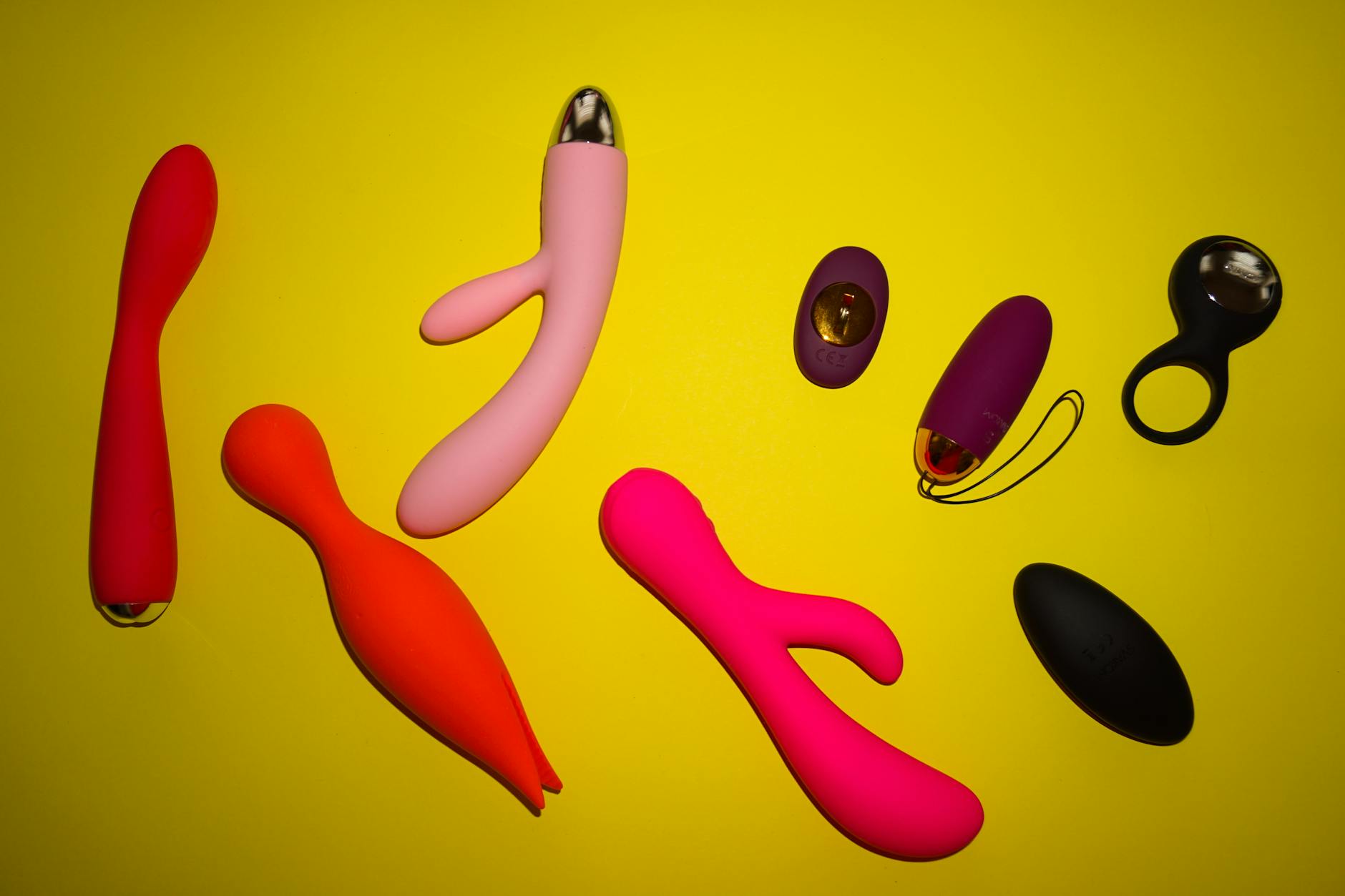
Let's be real. There's a particular kind of disorientation that happens when your body suddenly wants to feel good again after years of radio silence. You might not even recognize the signal at first. Maybe it arrives as a gentle spark during a movie, or unexpectedly while alone. Whatever the shape, there's often confusion underneath the excitement. What does this even mean? How do I start? Can I still do this?
It's easy to assume that once desire leaves, it's gone for good. That's not how it works. Arousal can pause for all kinds of reasons—deep stress, grief, medical events, life upheaval, medications, relationship distance, depression, burnout. Sometimes it's internal. Sometimes it's circumstantial. The good news is that the capacity is still there, even after months or years of absence. Your body hasn't forgotten how to feel pleasure. It's just been quiet.
When arousal returns, many people feel anxious about it. They worry they've lost touch with their body. They wonder if they're "broken" or if something's wrong with them for having gone so long without desire. None of that is true. The infrastructure is still intact. You're just reintroducing yourself to it.
The biggest mistake people make when reconnecting with pleasure after a long break is jumping back to what used to work. That approach ignores a critical fact: your nervous system has reset. Your sensitivity has shifted. What once felt perfect might now feel too intense or too subtle. The solution isn't to force the old pattern. It's to rebuild from the ground up.
I always tell clients this: slow isn't cautious. Slow is intelligent. It gives your nervous system time to recalibrate, lets you notice what actually feels good right now rather than what felt good five years ago, and prevents sensory overwhelm that can send you right back into shutdown.
Start with the lowest vibration pattern. On a lemon clitoral vibrator like the Lem, that means settings 1 or 2. Spend time at each level. Notice how your body responds. Does it feel good, or too much? There's no rush to climb the intensity ladder. You're gathering information, not proving something.
Lemon adult toys use suction-and-pulse technology rather than direct buzz vibration. Here's why that matters when you're returning to pleasure: suction stimulates the thousands of nerve endings in and around the clitoris without the sharp intensity of traditional vibration. It's less jarring. It feels less clinical. For someone whose body has been quiet for a while, that difference is significant.
The rhythm is also forgiving. If direct vibration used to make you tense up, suction feels more like a persistent, gentle pressure building over time. That builds arousal at a pace your nervous system can actually follow.
Emotional permission. You need to actually believe you deserve this time. I don't say that lightly. Many people returning to pleasure after a long absence carry guilt or self-judgment about their own desire. That stuff lives in your nervous system. It creates unconscious tension that blocks arousal. Before you even pick up a vibrator, spend a minute or two saying something true: "My pleasure matters." "I deserve to feel good." "It's okay to want this." It sounds simple. It works.
Privacy and uninterrupted time. Not just physical privacy, but genuine mental space. At least 20 minutes with your phone in another room. Your brain needs to know it's safe to let its guard down. A partner in the next room, kids who might interrupt, or the lingering anxiety that someone might walk in—any of that keeps your nervous system partially activated. Pleasure requires the opposite state.
Lube, even if you don't think you need it. After a long break, your body might take longer to produce natural lubrication. That doesn't mean something's wrong. It means you should use a water-based lubricant anyway. It removes friction that can feel sharp or uncomfortable, which in turn lets your body relax more deeply. Use about a dime-sized amount to start.
Realistic expectations about what happens. You might have an amazing experience. You might feel underwhelmed. You might not orgasm, even if you want to. Any of those outcomes are completely normal when you're reintroducing yourself to pleasure. The goal isn't to cum. The goal is to feel something, notice what that's like, and let your body remember that pleasure is possible. Orgasm can come later.
Set up somewhere comfortable where you can lie back or recline. Not in a rush-hour position where you're tense and braced. Actually comfortable.
Start with your hands. Spend three to five minutes touching yourself without the vibrator. This isn't foreplay in the traditional sense. It's nervous system preparation. Light touch on your inner thighs, belly, breasts—whatever feels good. You're sending a signal to your body: "Okay, we're doing this. This is safe."
When you're ready, apply lube to the vibrator head and your vulva. Turn the vibrator on at setting 1. Place it gently against your clitoris, not pressed hard against it. You're looking for contact, not pressure. Let it sit there for 10 to 20 seconds without moving it. This isn't about friction. Suction vibrators work best when you're somewhat still.
After that initial contact, move slowly. Tiny circles. Small up-and-down motions. You're exploring, not pursuing. If something feels good, pause and let that sensation build for a moment. If it feels like too much, move to a different spot or turn it off entirely. There's no rule that says you have to keep going.
This entire session might last 20 minutes and feel productive even if nothing "happens." Especially then.
Over three to five sessions, your body will start to show you patterns. You'll notice which patterns feel most sensitive. Which speeds and movements create a building sensation versus a plateau. Whether you're more responsive to steady contact or to rhythm changes. You're literally remapping your pleasure terrain. This information is gold.
You might also notice that arousal comes and goes, especially early on. That's not failure. That's your nervous system slowly downregulating the protective tension it's been holding. Arousal isn't linear when you're reawakening. Some days you'll feel it strongly. Some days you'll feel almost nothing. Both are part of the process.
If you're in a relationship and your partner is aware that your arousal is returning, don't rush into partnered sex. Many people make that leap too fast because they assume