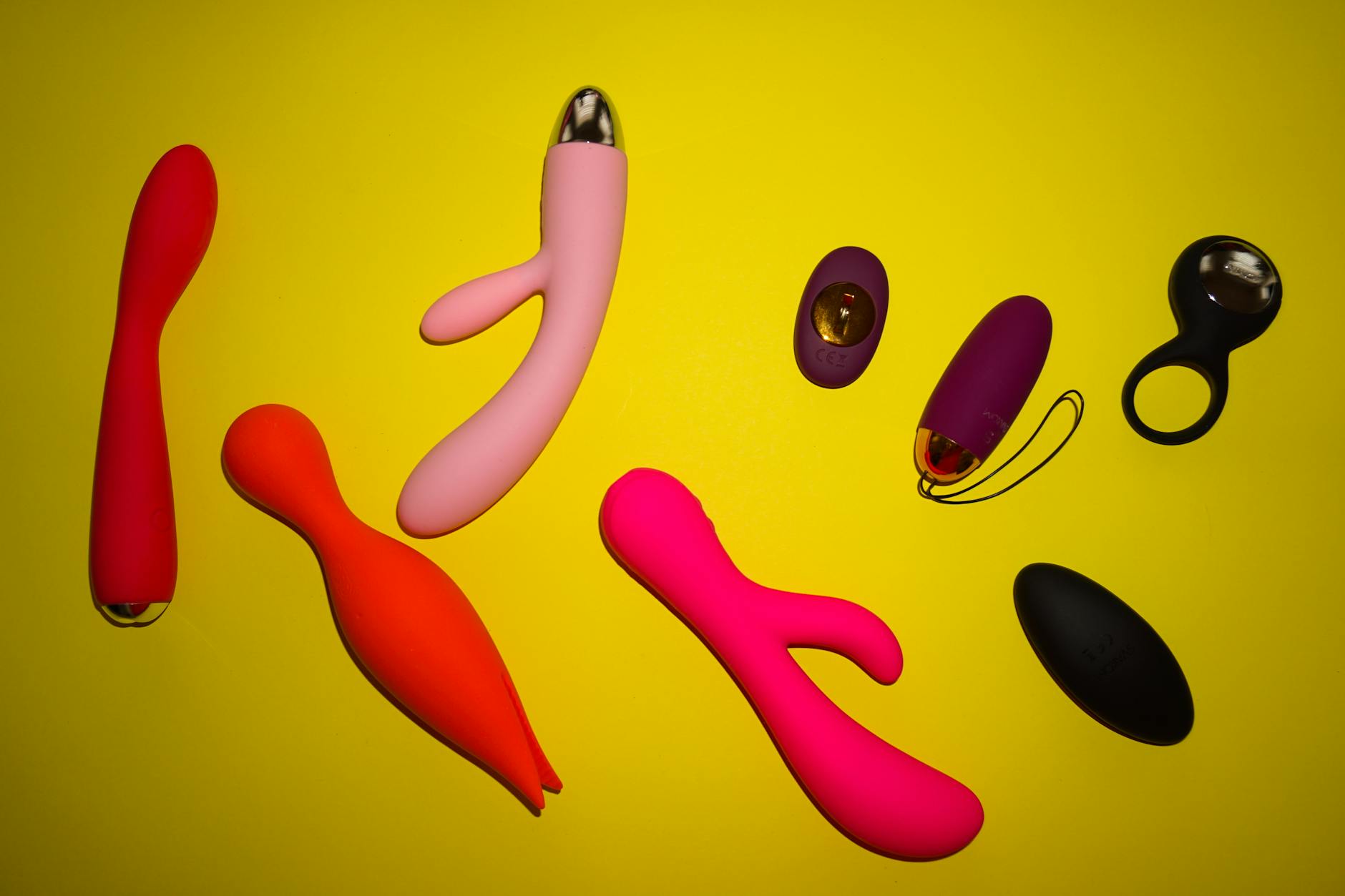
Let's be real. Foreplay doesn't stay the same forever. Someone changes jobs and they're more stressed. Someone turns 40 and suddenly their touch feels different. Someone's on a new medication. Someone just wants something different because they've been thinking about it.
The problem is that a shift in your partner's initiation style can feel like rejection, even when it isn't. And adding a lemon clitoral vibrator into that mix without talking about it first? That's a misfire waiting to happen.
Foreplay changes for a dozen reasons that have nothing to do with desire. Stress narrows the nervous system. Fatigue shortens patience. Some partners become more task-oriented as they age. Others need to feel more mental connection before their body wakes up. And sometimes someone just needs a new sensation to feel present again.
The shift you're noticing might be your partner saying something without words. Maybe they need stimulation to work faster. Maybe they're overwhelmed and need to hand off some of the labor. Maybe they want to feel like they're doing something together instead of something to you.
Misreading the shift is where people get stuck. They think "my partner doesn't touch me the same way anymore" instead of "my partner might need a different approach." That reframe matters because it changes what you do next.
I'll say this plainly: introducing a lemon vibrator without talking about the foreplay shift first is going to land wrong. Your partner won't know if you're saying "this isn't working for me" or "I want us to try something new together."
Start the conversation outside the bedroom. Not during a tense moment, not right after sex. Over coffee, in the car, wherever you both talk honestly.
Say something like: "I've noticed our foreplay has shifted lately, and I'm curious what's happening for you. Are you feeling something different? Is there something you'd like to try?"
Listen first. Don't jump to solutions. Your partner might say they're stressed, they feel less confident, they want to move faster, they're feeling a disconnect. All of that is useful information.
Once you understand what's shifted, you can say: "I've been thinking about this, and I wonder if bringing in a clitoral vibrator might actually help both of us reconnect. Not instead of what you do, but alongside it. Would that feel good to explore?"
The frame matters. "Alongside" is different from "instead of." You're not replacing their touch. You're expanding.
If your partner's foreplay has become more focused or efficient, a lemon clitoral vibrator actually solves a problem. It doesn't require the kind of sustained attention that manual stimulation does. Your partner can use one hand to touch you elsewhere while the vibrator does the targeted work.
Start small. The first time, introduce it as an option, not a directive.
Say: "I brought this because I thought it might feel nice. No pressure. But if you're open to it, it might feel good to try together."
Let them hold it first. Let them feel the weight, the textures, the vibration patterns. Let them be the one to decide how to use it. That choice is ownership. And ownership kills the "you're replacing me" feeling.
Many partners find that once they're holding the vibrator, the dynamic shifts. They feel more in control. They can adjust intensity. They can pause and restart. They can feel your response in real time. That's not less intimate. For many couples, it's more so.
When foreplay style has shifted toward less manual stimulation, a lemon clitoral vibrator fills a gap without requiring anything complicated.
Here's what tends to work: your partner uses the vibrator while they're kissing you, or while they're inside you, or while they're touching you in other ways. The vibrator isn't replacing their hands. It's joining them.
Start on lower settings. Patterns 1 and 2 on the Lem are where most people start when they're new to this. As comfort builds, you can explore higher settings or different patterns.
If your partner's foreplay has become rushed, the vibrator actually slows things down because they have to focus on it. They can't multitask the same way. That's often good news for both of you.
If their foreplay has become less confident or less frequent, the vibrator gives them something specific to do. That specificity can ease anxiety. They know exactly what they're supposed to be doing, and they can see that it's working.
You're not just adding a tool. You're shifting the narrative. Instead of "something is missing" or "you're not enough," the story becomes "we're exploring something together."
That shift matters neurologically. Your partner's nervous system can go from defensive to curious. And curiosity is where real connection opens up.
Some partners find that once they've used a lemon vibrator with you, something unlocks. They feel less pressure. They feel more creative. They feel like they're partners in your pleasure instead of solely responsible for it.
I've had clients tell me their partner became more attentive after bringing in a vibrator, not less. The vibrator gave permission for the touch to shift, and that permission rippled outward.
Don't bring in a vibrator during a moment of disconnection or conflict. That's asking it to do emotional work it can't do.
Bring it in during a time when things feel relatively stable. When you're both relaxed. When you're not trying to fix anything.
If there's tension about the foreplay shift itself, solve that first through conversation. The vibrator isn't a bandage. It's a tool that works best when the foundation is solid.
Some partners will bristle. They might feel replaced, or inadequate, or like you're criticizing their touch. That's worth taking seriously, not dismissing.
If that happens, pause. Don't push. Go back to conversation.
Say: "I notice you seem hesitant about this, and I want to understand why. I'm not trying to say your touch isn't enough. I'm trying to say I want us to explore together. Does that land differently?"
For some partners, the hesitation is temporary. They need reassurance. For others, it's deeper. They might need to talk through what a vibrator means to them. Maybe it feels like infidelity. Maybe it feels emasculating. Maybe it triggers something about control or autonomy.
Those are real conversations, and they need time. A vibrator won't fix them. Only talking will.
But here's what I've seen more often: once couples actually try it, the resistance melts. The experience is usually better than the story they told themselves about it.
When a foreplay style has changed and you've navigated introducing a vibrator well, something usually shifts. You both feel more agency. You both feel less stuck.
Your partner might find they want to initiate differently now. They might feel more confident. They might feel less burdened by the idea that all stimulation has to come from their hands.
You might find that you're more present because you're not tensing up waiting for them to touch you in a way that doesn't quite work anymore.
You're not going back to the old pattern. You're building a new one. And that new pattern often holds more of both of you.
Absolutely. But go slowly. Let them hold it, feel it, see how it works. Let them be the one to introduce it to your body if possible. That gives them agency and eases any weirdness.
That's a sign you need more conversation before the vibrator. Talk about what the shift in foreplay means to both of you. Understand whether the vibrator feels like a threat or whether it's really about something deeper. Once you've talked that through, the vibrator becomes a symbol of connection instead of a symbol of lack.
Not remotely. Foreplay shifts for a thousand reasons that have nothing to do with desire. Stress, fatigue, medication, aging, attention span, confidence. A vibrator can actually deepen attraction because it makes pleasure easier and removes pressure.
Most partners will hold the vibrator while they're inside you, aiming for the external clitoris. The vibrator adds sensation during penetration without interfering with it. Start lower on the settings and adjust based on what feels good. Some people prefer it during thrusting, others prefer it during stillness.
Timing matters hugely. If your partner is always rushed, a vibrator can actually slow things down because it requires focus. If your partner only initiates late at night when you're tired, that's a different conversation. The vibrator solves sensation problems, not scheduling problems.
Not at all. Change is normal. Bodies change. Desire shifts. Methods evolve. Asking for something different is actually sexy because it says you know what you want and you trust your partner with it.
A lemon clitoral vibrator is a tool. The real work is the conversation. Understanding what the shift in foreplay means. Talking about what you both need. Building something new together instead of defending something old.
Once you've done that work, the vibrator becomes exactly what it should be: a way to deepen pleasure and connection. Not a replacement. Not a patch. A genuine expansion of what's possible between you.
If you're ready to explore this with your partner, reach out to us and we can help you think through what might work best for your relationship.