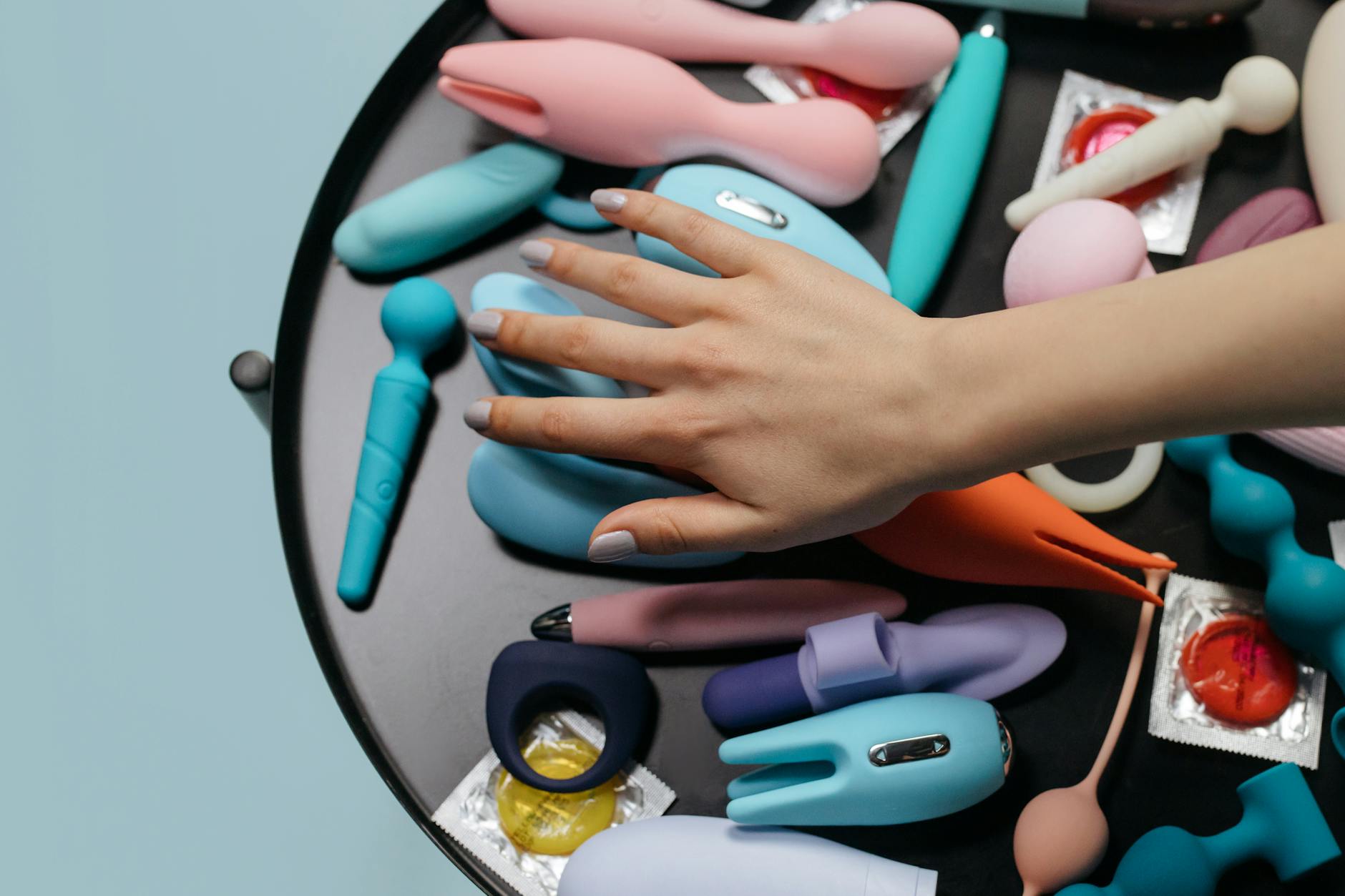
Recovery from sexual trauma isn't linear. Some days you'll feel ready to reclaim pleasure. Other days, the idea of touching yourself will feel impossible. Both are normal. Both are okay.
Here's what I know from working with people rebuilding their relationship with their bodies: the tools matter less than the sense of agency. But when a tool like a lemon clitoral vibrator is designed around your control, it can become part of your healing toolkit instead of another source of anxiety.
Trauma disrupts your nervous system's sense of safety in your own body. When you were violated, your capacity to consent was taken from you. Rebuilding pleasure means rebuilding your ability to choose what happens to your body, moment by moment.
That's where a clitoral vibrator is different from other approaches. Unlike penetrative toys, a lemon vibrator lets you control the exact intensity, rhythm, and duration of stimulation. You can start, stop, and adjust without negotiating with a partner or feeling trapped by your own body's response.
The suction technology in a Hello Nancy lemon vibrator is especially useful here because it doesn't feel like penetration. There's no insertion, no internal pressure, nothing that might trigger a trauma response. It's purely external stimulation you control entirely.
If you're in early recovery, begin without the toy at all. Spend a few sessions just noticing your body's sensations without judgment. Touch your arm. Notice the texture. Your neck. Your collarbone. Build a map of what feels safe.
When you introduce a lemon vibrator, start with it off. Hold it. Look at it. Let it sit near you. This sounds basic, but for people in trauma recovery, normalizing an object that's meant to feel good is actually crucial work.
The first time you turn it on, do it at the lowest setting, pattern 1 if you're using the Lem. Place it on your outer thigh, not your genitals yet. Feel the vibration. Notice your heart rate. Notice your breathing. If any of this feels triggering, turn it off. Sit with what came up. Journal if that helps.
There's no timeline. Some people spend weeks at this stage. That's not slow. That's wisdom.
One reason trauma survivors struggle with pleasure is that they've lost confidence in their own "yes" and "no." You need to rebuild that language in your nervous system, not just intellectually.
When you're using a lemon vibrator in recovery, narrate what you're doing. "I'm turning this on." "I'm moving it here." "I'm stopping now." This sounds strange, but it retrains your brain that you are the one making choices about your body.
If you feel numbness or dissociation, pause. That's information. It doesn't mean you're broken. It means your nervous system needs more time to feel safe. Come back to this another day.
Some survivors find that using a toy with their partner present (but not involved) helps them feel safer. Others need complete solitude. There's no right way. What matters is what feels safe to you.
When you're ready to actually use a lemon vibrator on your clitoris, these details help:
Start at the gentlest setting. If you're using patterns, begin with pattern 1 or 2. Trauma-informed pleasure often means avoiding overstimulation, which can feel chaotic and unsafe. Low intensity lets you notice what your body actually wants.
Use it through your underwear first. For some people, this physical barrier feels crucial. It's a way of saying, "This is happening on my terms, and I'm controlling the boundary." Once that feels secure, you can move it directly on your vulva.
Keep lube nearby, even if you think you don't need it. Anxiety and trauma can make the clitoris less sensitive to stimulation. A bit of slickness, even if you're naturally lubricated, can make the sensation feel more pleasant and less pressured.
Set a timer if that helps. Five minutes. Ten. Just knowing there's an end point can calm your nervous system. Healing-focused pleasure is never about endurance or "finishing." It's about the sensation itself.
During recovery, your body might respond in ways that feel confusing. You might feel aroused and panicked at the same time. You might feel nothing, which is also confusing. You might cry.
All of this is your nervous system processing safety. It's not a sign you're doing it wrong.
If you feel panic rising, turn the toy off immediately. Grounding techniques can help: name five things you see, four you can touch, three you hear, two you smell, one you taste. Your nervous system needs to know you're safe in the present moment, not back in the trauma.
Some survivors find that pairing solo play with therapy helps enormously. You're doing the same healing work on your own timeline, and you have professional support to process what comes up.
If you're in a relationship and considering shared pleasure, go slowly. Talk first, outside the bedroom. Tell your partner that you're rebuilding your sense of safety and control. Let them know that you might need to stop suddenly, and that stopping isn't about them. It's about your nervous system recalibrating.
You might use a clitoral vibrator solo for weeks or months before sharing that with a partner. There's no rush. Many survivors find that having a trusted partner present during solo play, without them touching you, helps them feel safer. Others need complete privacy.
If your partner is involved, they should know that the toy is yours. You control it. They're an observer, not a director. This clear boundary is often what makes shared pleasure feel safe again.
Healing from sexual trauma isn't about reaching a destination where you have the orgasms you "should" be having. It's about gradually expanding your capacity to feel safe and present in your own body.
Some days that means using a lemon vibrator for five minutes and feeling something genuine. Some days it means just holding the toy and remembering that you get to choose what happens to your body. Both are real progress.
If you notice that after several months of gentle exploration, pleasure still feels completely unavailable or that panic is getting worse instead of better, talk to a trauma-informed therapist. Tools like vibrators are wonderful, but they're not a replacement for professional support.
Your pleasure matters. Your recovery matters. And there's no single timeline for either.
Yes. Numbness is often the nervous system's way of protecting itself. After trauma, your brain can disconnect from physical sensation as a survival response. This usually softens over time as your nervous system begins to feel safer. If numbness persists after consistent gentle practice over several months, discuss it with a trauma-informed therapist.
It's possible if you move too fast or push through genuine discomfort. That's why starting slow matters so much. The difference between healing exploration and retraumatization is your sense of control and choice. If you ever feel forced or panicked, stop. That's your nervous system giving you important information.
That depends on your relationship and your comfort level. Some survivors find honesty about the healing process strengthens trust. Others need privacy as part of reclaiming their body as their own. If you're in a partnership based on openness, mentioning it can help your partner understand your needs. Just make it clear that this tool is for your healing journey, not because anything is wrong with your partnership.
There's no standard timeline. Some survivors reconnect with partner pleasure after months of gentle solo work. Others need a year or more. Many find that rebuilding their own sensation and agency first actually makes partnered pleasure feel safer and more real. Work with your nervous system, not against it.
Dissociation feels numb, absent, or like you're watching yourself from outside your body. Healing feels present, even if it's uncomfortable. You're noticing sensations, emotions, and your own choices. If you're consistently dissociating during solo play, slow way down and consider working with a therapist who specializes in trauma.
Yes, in fact many people in trauma recovery use medications to stabilize their nervous system while doing healing work. Some medications can affect sensation or arousal, so you might need to adjust expectations or intensity. If you notice significant changes in sensation, talk to your prescriber. They want to know how medications are affecting your lived experience.
Healing isn't about forcing yourself back to some earlier version of pleasure. It's about slowly, gently, on your own timeline, remembering that your body can be a source of safety and choice. A tool like a lemon vibrator can be part of that. But you are always the expert on what you need.
If you're navigating trauma recovery and want to talk through what might help, reach out. You don't have to do this alone.