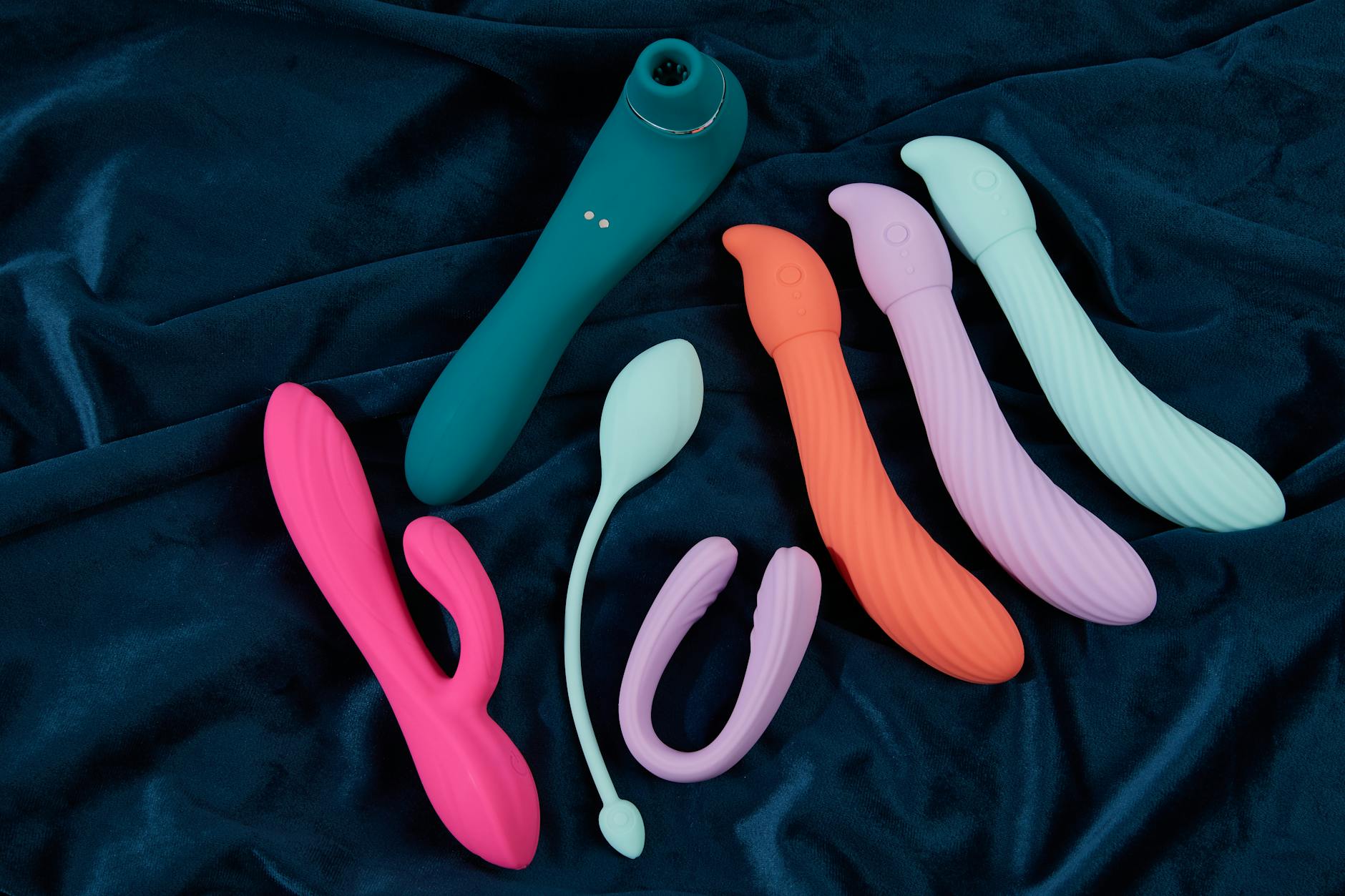
Your partner's desire has shifted. Maybe it dropped gradually, maybe it vanished overnight. Either way, the silence around it is louder than the actual physical distance. You're left in a loop: wondering if it's about you, wondering if bringing it up will make things worse, wondering if anything will ever feel the same.
Here's what I know after years of working with couples through this exact moment. Low desire in a partner isn't a death sentence for intimacy. It's a signal. And introducing a lemon clitoral vibrator into the conversation can actually make the whole thing less terrifying, not more.
When desire has dropped, couples get stuck in one of two patterns. Pattern one: the pursuing partner pushes for sex, the withdrawing partner shuts down further, resentment builds. Pattern two: everyone goes quiet, hope evaporates, and the relationship lives on logistical fumes.
A lemon vibrator offers a third path. I'm not saying it's magic. But it reframes pleasure as something to explore together rather than something one person is failing to provide to the other. It moves the focus from "why don't you want me?" to "what do we actually want?"
That shift in framing is where reconnection starts.
This isn't about ambushing your partner with a toy. It's about creating the conditions where this conversation feels safe instead of loaded.
Pick the right moment. Not during a fight about desire (or about anything else). Not when you're both exhausted or stressed. Pick a time when you're both reasonably calm and have maybe 30 minutes of actual space. This might mean scheduling it, which sounds unromantic until you realize how many crucial conversations never happen because they're left to chance.
Separate pleasure from pressure. Tell your partner clearly that you're not suggesting this because they're broken or because you're frustrated. You're suggesting it because you miss connection and you want to explore what actually feels good for both of you right now, without the expectation of traditional sex. This distinction matters more than you'd think.
Lead with curiosity, not criticism. "I've been thinking about us, and I miss being close. I found something I'd like to try together. Would you be open to exploring that?" beats "We never have sex anymore and I need this."
Low desire often comes paired with low confidence. When someone has been avoiding sex, they're often anxious about performance, worried about disappointing their partner, or just burned out from the expectation itself.
A lemon vibrator flips that dynamic. Suddenly the goal isn't penetration or a partnered orgasm. The goal is sensation and exploration. The lemon suction technology means you're not relying on friction or traditional stimulation. You're working with the body's actual neurology.
What does this mean practically? Your partner might relax faster because there's no performance narrative. They're not worrying whether they'll be "ready enough" or how long things take. They're just present with the sensation.
For the partner with lower desire, this often feels less demanding than traditional sex. Pressure drops. Pleasure becomes possible.
Honestly though, bringing this up is the hardest part. Here's what I recommend.
Start with the truth. "I miss being close to you" or "I want us to find what works for both of us" is honest. "I bought this toy to fix you" is not. Your partner can feel the difference.
Invite, don't insist. "Would you be willing to try this together?" leaves room for a no. That's actually what you want. A partner who's genuinely interested is infinitely better than a reluctant partner going through the motions.
Explain the device, not the problem. You might say: "It works differently than other vibrators. It uses suction instead of vibration. I'm curious what it feels like for you." Keep the focus on exploration, not on fixing low desire.
Give them real options. "You could try it solo first if that feels less pressure." "We could use it together." "You could just watch and see if it interests you." The more agency they have, the less threatening it feels.
If your partner agrees, don't jump straight to sex. That defeats the whole point.
Start with touch. Kiss them. Hold them. Use the lemon vibrator on yourself first so they can see what it does without it being about them. This does two things: it shows that you're not treating it as a fix for them, and it often naturally builds curiosity and arousal.
If they seem interested, ask if you can use it on them. Start slow. The lemon clitoral vibrator has multiple settings. Begin at a low level. Let them get used to the sensation before turning it up.
Here's what many couples report: the person with lower desire often feels surprise at how good it actually feels. That surprise can shift the entire narrative from "I don't want sex" to "oh, I actually do want this feeling."
They might. That's fine and completely normal. Awkwardness usually means someone's nervous, not that something is wrong.
If your partner freezes or says they want to stop, stop immediately. No negotiation. Then, later when you're both calm, ask what felt off. Was it the sensation? The vulnerability? The pressure? Sometimes low desire isn't about the act itself. It's about feeling watched or evaluated. Knowing that is actually useful information for rebuilding.
If you feel disappointed or rejected, name it later, not in the moment. "I felt hurt when you pulled away" is information. "You always shut me down" is an attack. Your partner's hesitation isn't personal, even though it feels that way.
If it goes well, you don't suddenly have frequent sex. Low desire doesn't flip because of one good experience. But you do have a new entry point for conversation. You have proof that pleasure is still possible. That matters.
Keep using it together if you both want to. Use it solo. Use it as foreplay. The goal isn't frequency. It's reconnection. When couples rebuild intimacy slowly and without pressure, that tends to last.
If it didn't go well, or if your partner remained resistant, that's also information. Sometimes low desire points to something deeper. Relationship strain. Stress. Unresolved hurt. Or sometimes it's biological. A lemon vibrator won't fix any of those things directly. But it can open a conversation that leads somewhere real.
If low desire persists even after you've tried reconnecting without pressure, consider couples therapy. I'm not saying this lightly. A couples therapist trained in desire issues can help you understand what's actually driving the withdrawal. Sometimes it's about connection. Sometimes it's about control. Sometimes one partner is quietly resentful about something else entirely.
A lemon clitoral vibrator is a tool for pleasure and reconnection. It's not a substitute for addressing what actually broke in the first place.
Sometimes low desire means the relationship is telling you something you don't want to hear. Not always. But sometimes. If your partner has no interest in reconnecting, no willingness to explore, no curiosity about intimacy whatsoever, that might not be something a toy fixes. That might be a sign that something needs to change in the relationship itself.
My job as a therapist isn't to convince you to stay. It's to help you understand what's true. Sometimes what's true is that you and your partner are still in love but need to rebuild. Sometimes what's true is that the relationship has run its course. Both are okay. Both deserve honest attention.
If you're in the first camp, a lemon vibrator can be part of reconnection. If you're in the second, you might need a different kind of conversation altogether. The only way to know is to start talking.
It might at first. Low-desire partners are often already feeling some shame. The key is framing this as exploration, not replacement. "I want us to feel good together" lands differently than "you're not giving me what I need." If your partner remains worried they're being replaced, that's worth exploring together. Sometimes that fear points to other insecurities in the relationship that need attention.
Absolutely. Many couples find that a lemon clitoral vibrator actually makes partnered sex feel better because there's less pressure on any one person to deliver an orgasm. The vibrator does some of that work. Your partner can be present instead of performing. That's often when things get better, not worse.
That's a boundary you have to respect. But it's worth asking why. Is it about the toy itself, or about something deeper? Sometimes people refuse toys because they feel ashamed about needing external help. Sometimes they refuse because they associate toys with something painful or traumatic. Sometimes they refuse because they genuinely just don't want them. All three are different conversations with different solutions.
There's no timeline. If you're expecting a toy to immediately increase frequency, you'll be disappointed. What usually happens is that pleasure becomes less terrifying. Closeness feels less demanding. And from there, desire often naturally builds. But that's a process measured in weeks or months, not days.
I'd recommend it. Buying it secretly and then presenting it can feel like a surprise, and not the good kind. A conversation first gives your partner agency. They can agree, disagree, or suggest trying something else. You stay on the same team instead of moving into secret territory.
That's its own conversation. A lemon vibrator might help with sensation or pleasure, but it won't address the underlying cause. If your partner's low desire is connected to antidepressants, hormonal changes, or other health factors, talking to their doctor matters more than any toy. That said, some people find that a lemon clitoral vibrator helps them reconnect with pleasure even when desire is suppressed by medication. Both things can be true.
Here's what I know for sure: low desire doesn't kill relationships. Silence does. When couples start talking about what's happening and why, when they stop blaming and start curious, when they're willing to try new things together, things shift.
A lemon vibrator can be part of that. But it's not the solution. The solution is two people deciding they want to find their way back to each other. A toy is just permission to try something different.
If that's you and your partner, start there. Pick a calm moment. Tell the truth. Invite them in. See what happens. Most of the time, what happens is better than the silence.