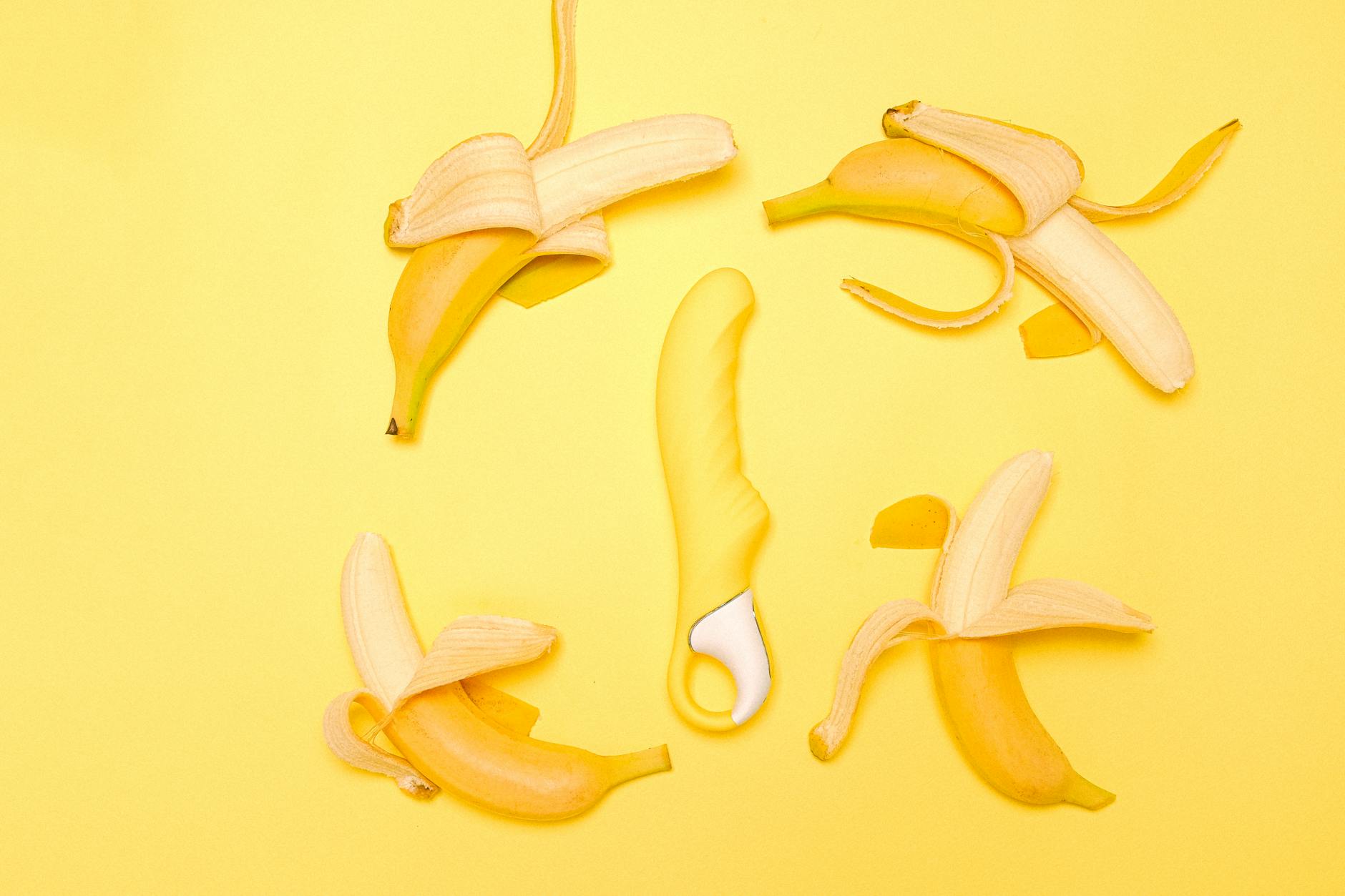
How to Use Lemon Vibrators During Pregnancy and Postpartum Recovery
Your body changes during pregnancy and after birth. Here's what's actually safe, what feels good, and how lemon clitoral vibrators can support pleasure through this transition.
Pregnancy and postpartum sexuality is not talked about openly. You get plenty of warnings about what to avoid, but almost no conversation about pleasure, sensation, or how your body might actually feel during this phase. Let's fix that. Here's the honest part: yes, pleasure is safe during pregnancy. Yes, your body still deserves attention postpartum. And yes, lemon vibrators can be a useful tool for both.
The catch is that pregnancy and postpartum are not one experience. They're separate phases with completely different physiological realities. Understanding the difference between them shapes what feels good and what's actually safe.
During pregnancy, blood flow to your pelvic region increases significantly. This means the clitoris and vulva become more engorged and more sensitive. For many people, this creates an unexpected heightening of sensation. Arousal comes faster, orgasms can feel more intense, and the whole experience shifts into unfamiliar territory.
At the same time, your body is producing progesterone at levels you've never experienced before. This hormone changes mood, energy, and sometimes desire itself. Some people report their libido soaring during the second trimester. Others find it completely flatlines. Both are normal.
The physical changes are real too. Your belly gets larger, which changes what positions work and how you feel about your body. Your breasts become tender, often extremely so. Pelvic pressure increases as the baby grows, which can make some kinds of touch feel amazing and others feel unwelcome.
For many people, a lemon clitoral vibrator becomes useful specifically because it bypasses the need for penetration or direct pressure on sensitive areas. The suction sensation from devices like the Lem provides stimulation without the friction that might feel uncomfortable.
In early pregnancy, you might feel incredible. Hormones are rising, blood flow is generous, and your body feels new in interesting ways. By month six or seven, that novelty shifts. Fatigue hits harder. Your center of gravity is completely different. Sex, pleasure, and even touching yourself requires more intention and often a lot more pillows.
This is where lemon vibrators genuinely shine. Because they require minimal physical effort from you, they let you stay connected to pleasure without the acrobatics. You can use them lying down. You can use them with support. You can use them for five minutes instead of twenty because the sensation is concentrated and efficient.
That said, checking in with your OB/GYN is smart. Most practitioners agree that pleasure and orgasm during pregnancy are safe unless you have specific risk factors like preterm labor history or placental issues. Ask directly. Don't assume you need to wait.
Everything changes the moment the baby arrives. Your hormone levels plummet. Estrogen, progesterone, and testosterone all drop dramatically in the first 24 hours. This sudden shift affects mood, sensation, and desire in ways that are genuinely disorienting.
Your pelvic floor has been stretched, whether you delivered vaginally or via cesarean. The tissues are different now. Everything feels tender, swollen, and often numb. Even six weeks postpartum, which is when many people get cleared for penetrative sex, the sensation in the vulva can feel completely foreign.
Add sleep deprivation, oxytocin flooding your system to help with breastfeeding, and the genuine physical depletion of new parenthood. Your body is not interested in pleasure. It's interested in survival.
Lemon vibrators can still be useful here, but the approach shifts. Early postpartum, the focus is less about sensation and more about reconnection. Using a lemon sexual toy on the lowest setting for just a few minutes can help you remember that your body is still yours. It's a ritual of reclaiming, not pursuing orgasm.
Wait for full healing before using vibrators. Most practitioners recommend waiting until any stitches or tears have completely healed and you've been cleared for penetrative activity. That's usually six to eight weeks, but it varies. Pushing too fast causes real physical pain and sets back recovery.
A few concrete guidelines if you're pregnant and want to explore this.
First, stick to external stimulation only. No penetration, no insertion of any kind. Your cervix is more delicate during pregnancy, and the risk of infection increases. Keep all stimulation on the clitoris and external vulva. A lemon clitoral vibrator is literally designed for this, so you're already in the right tool territory.
Second, use the lowest settings first. Yes, you might have heightened sensitivity, but you also might have unexpected tenderness. Start at pattern one on the Lem and see what actually feels good. Your body will tell you if you need more intensity. Most people find they need less during pregnancy, not more.
Third, avoid any vibrators that create strong suction or deep vibration if you have pelvic pain or pressure. Some people do. If you're one of them, the lightest touch on the lowest setting is the move. And honestly, if it doesn't feel good, stop. Your body is not obligated to perform.
Finally, use plenty of lubricant. Even though blood flow increases, it doesn't automatically mean the tissue is slippery. Water-based lube makes everything easier and safer.
The six-week mark is when most people get cleared to resume penetrative sex. But clearing for penetration does not mean clearing for vibrators, and it definitely does not mean clearing for enthusiasm. Your body has just done something extraordinary. It needs patience.
When you do restart, begin exactly where you started if you've never used a lemon vibrator before. Lowest setting, short sessions, plenty of lubrication. Your pelvic floor is still learning how to function again. Sensation might feel muted or strange. This is normal and temporary.
Many postpartum people describe their first few weeks of pleasure as feeling almost clinical. The goal is not orgasm. The goal is remembering that sensation exists. That your body is separate from your baby's needs. That you still get to have pleasure.
If you're breastfeeding, orgasm can trigger milk letdown. Some people find this annoying. Some people find it beautiful. Know that it might happen so it doesn't surprise you.
Honestly, the hardest part of postpartum pleasure is not physiological. It's the mental weight of being responsible for a tiny human. It's the touch deprivation that comes from being touched constantly by a baby but not touched by an adult. It's the loss of your pre-baby identity layered on top of actual hormonal depletion.
This is where a lemon vibrator becomes not just a tool but a ritual. Five minutes of solo pleasure postpartum is not about chasing an orgasm. It's about establishing a boundary between you and the role of parent. It's about telling your nervous system that you still matter.
If you have a partner, this gets even more important to communicate about. Your partner probably also feels disconnected from you sexually. You're both exhausted. You're both anxious. The temptation is to wait until everything feels normal again before touching each other.
But reconnecting with your own pleasure first makes partnered sex less fraught. You've already done the work of remembering that your body is yours.
If you're in a partnership, your partner might feel anxious about touching you during pregnancy or postpartum. Some of that is genuinely protective. Some of it is their own discomfort.
Using lemon vibrators solo during this phase is one way to stay connected to your own pleasure without needing your partner to perform or to feel comfortable with something they're uncertain about. It's a way to reclaim agency when everything else feels out of your control.
If your partner wants to be involved postpartum, the suction sensation of a lemon clitoral vibrator can actually feel less invasive than fingers or penetration because it's so localized and controlled. You get the pleasure without the pressure of performance or the complexity of their body and yours navigating healing tissue.
Have this conversation when you're not in the moment. "I'm thinking about reconnecting with pleasure at week eight. I'd like to use a lemon vibrator. Do you want to be part of that, or would you prefer I do this solo?" Both answers are fine. The conversation itself is what matters.
If pain appears during or after pleasure during pregnancy, mention it at your next appointment. Most pain is not a sign of danger, but it's worth checking. Some people experience pelvic girdle pain or round ligament pain that makes pleasure uncomfortable. Your OB/GYN can help troubleshoot.
Postpartum, if you're still experiencing significant pain six weeks out, don't just assume it's normal. Pelvic floor physical therapy is incredibly helpful. Many people benefit from working with a pelvic floor therapist before reintroducing vibrators or any kind of sexual activity.
If sensation has completely disappeared by three months postpartum and orgasm feels impossible, that's also worth mentioning. Sometimes postpartum depression or anxiety shows up as numbness or disconnection from pleasure. A good provider will screen for this and can help.
Pregnancy and postpartum are not punishment phases where pleasure is forbidden. They're transitions where your body and your relationship to it shift dramatically. Lemon vibrators are tools that work well during these transitions because they're efficient, localized, and require minimal physical effort from you.
The real work is giving yourself permission to use them. Permission to want pleasure when everything is chaotic. Permission to take five minutes for yourself when there's a baby who needs you. Permission to remember that you are still a person with a body that deserves attention.
That permission is the hardest part. The vibrator is easy.