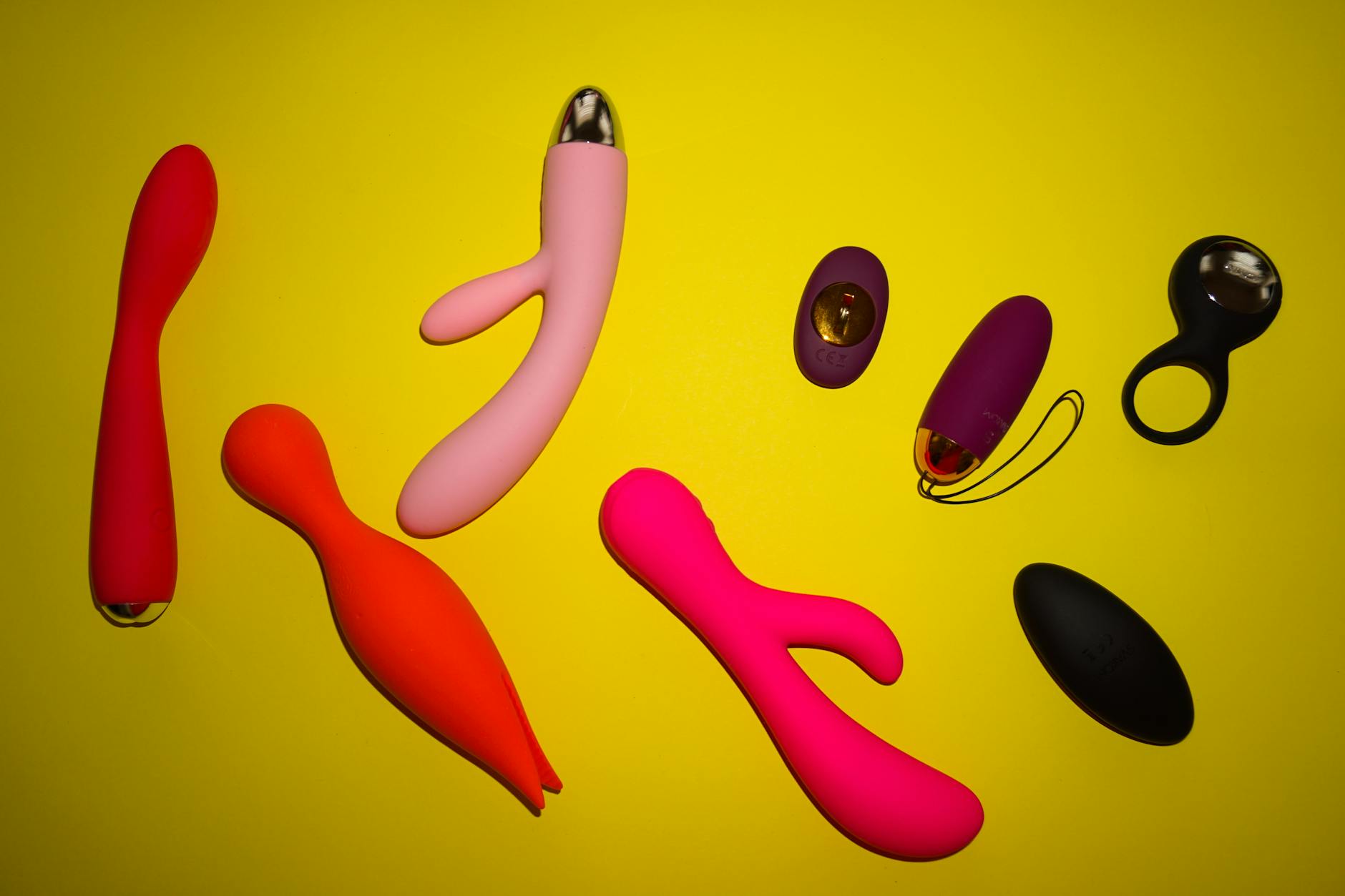
Here's the thing: using a lemon clitoral vibrator solo and using one with a partner are not the same experience. Not even close. The sensation itself changes. Your body responds differently. And the emotional weight shifts entirely.
I'm not talking about performance pressure or self-consciousness (though those exist too). I'm talking about something genuinely physical. When someone else controls the device, when you're watching their face while they watch yours, when the rhythm isn't dictated by your own hand but by someone trying to read your body in real time, your nervous system registers it as a completely different event.
That doesn't make it better or worse. But it does make it different. And understanding the difference is what separates awkward attempts from genuinely connected moments.
When you're using a lemon vibrator alone, you have total control. You know exactly how much pressure you want, how long you need before ramping up intensity, when to shift the angle. Your body is predictable to you because it's yours.
When a partner is involved, that control shifts. Even if you're directing them ("a little higher," "slower"), there's a microsecond delay between intention and execution. That delay is neurologically significant. Your brain isn't anticipating your own movement. It's receiving input from outside, which means your nervous system has to process it slightly differently.
The suction sensation of a lemon vibrator becomes more intense when someone else is moving it. I don't fully understand why yet. My best clinical guess is that the novelty of external touch keeps your nerve endings more alert. When you're using it yourself, your nervous system slightly habituates to the sensation over time. Someone else's hand keeps the stimulus fresh.
Pressure changes matter too. If a partner is holding the device, they might unconsciously apply slightly more or less pressure than you would. That variation, even small, registers as different to your body. Some people find this annoying. Others find it genuinely pleasurable because the inconsistency keeps them from numbing to the sensation.
Here's what I see in my practice constantly: couples assume the sex itself needs to change when a partner brings a toy into the mix. They think the lemon vibrator is supposed to replace something they were doing, or supplement something that wasn't working.
Actually, what shifts is the emotional intimacy layer. When your partner is holding the lemon sucker, watching your face, asking what feels good, adjusting based on your breath and your movement, that's not about the device. That's about witnessing and being witnessed.
For many people, that's the first time they've experienced pleasure in front of another person without performing it. Not performing sex. Just having sensations while someone who cares about you pays attention. That's radically different from any physical sensation a vibrator can create.
Some people cry the first time this happens. Not sad crying. Just the release of having hidden your body's actual responses for years and suddenly being allowed to show them.
Let's be direct: using a lemon clitoral vibrator with a partner requires vulnerability in a way that solo play doesn't. When you're alone, you can stop if something feels weird. You don't have to explain. You can touch yourself without narrating what's happening.
With someone else in the room, holding the device, you have to at least implicitly communicate. Even if you don't say anything out loud, they're learning about your body through direct experience. What makes you grip the sheets. Where your breathing changes. How long before you build momentum. They're getting information about you that usually stays private.
For a lot of people, that's deeply uncomfortable at first. Your instinct might be to manage their experience, to make sure they're doing it "right," to perform arousal instead of actually experiencing it. That defeats the entire purpose.
The fix is usually simple: talk about it first. Not during. Before. Tell your partner: I'm going to be awkward at first. I might not know how to ask for what I want because I've never said it out loud. I might feel weird. That's normal and not a reflection on you or what we're doing. Just keep going.
Most couples I work with try to communicate about lemon vibrators during sex. This is basically impossible. Your brain is managing arousal, processing sensation, and trying to articulate preferences simultaneously. You're going to freeze up or default to "that's nice" even if it's not.
Better approach: talk about it the next day. Or the day before. "I want to try using a lemon vibrator together. I'm a little nervous. Here's what I'm curious about. Here's what I'm worried about." That conversation takes fifteen minutes and eliminates about seventy percent of the awkwardness.
During sex, communication can be simpler. A lot of partners say they prefer nonverbal cues: a hand gesture, a nod, a change in breathing. Some people like directness: "higher," "slower," "keep doing that." There's no universal right answer. You figure out your own language.
One thing that helps: if your partner is holding the lemon vibrator, you can always reach down and put your hand on theirs. That gives you pressure control while keeping them involved. It's less dominant than taking over completely, and it communicates what you need without words.
This is weirdly specific but worth mentioning. When you hold a lemon clitoral vibrator yourself, you angle it based on what feels good. When a partner holds it, they're angling it based partly on what looks good from their vantage point.
These are not always the same angle. From your perspective lying down, the ideal angle for a suction device might be quite different from what it looks like from above or from the side. Your partner might instinctively position it in a way that looks aesthetically pleasing to them rather than biomechanically optimal for you.
Solve this by being specific. "Angle it a bit more toward my body." "Tilt it down slightly." Most partners actually want to get this right and will adjust. The problem is assuming they can read your body well enough to know without guidance.
I expected, when I started working with couples, that rhythm would be the biggest adjustment. Your solo rhythm is probably specific to you. Some people like fast and consistent. Others like building momentum slowly. Others like variation. When someone else is controlling the lemon vibrator, they might have a totally different rhythm preference.
Actually, rhythm matters way less than people think. What matters more is consistency within a sequence. Your partner doesn't need to match your solo rhythm exactly. They need to understand that jumping around between patterns too quickly is disorienting. Build a rhythm, stay with it for a minute or two, then change it. Don't go "fast, slow, medium, fast, off, medium" unless you've explicitly negotiated that variation.
Most of the rhythm anxiety I see is actually about pressure. Partners worry they're doing it wrong, so they change things constantly looking for the right version. That constant shifting reads to your body as random rather than intentional.
This happens when both people approach it with genuine curiosity. Not as a fix for something broken. Not as a replacement for connection. As one more way to explore together.
I've seen it transform relationships where one partner felt like they had to manage the other's pleasure entirely. When you introduce external sensation, sometimes the dynamic shifts. The person receiving pleasure has permission to focus on themselves. The person facilitating has permission to enjoy the experience of watching. That's a healthier balance than a lot of couples manage.
I've also seen it help partners communicate about pleasure in general. Once you've used a lemon sucker together, talking about what feels good becomes slightly less fraught. You've already broken the seal on explicit conversation about sensation.
First time using a lemon clitoral vibrator with a partner is often weird. You're hyper aware of them. They're probably hyper aware of you. The device itself might feel cold at first. The angle might be off. Your partner might be unsure about pressure. You might feel like you're taking too long to orgasm or that you're being performed at rather than with.
All of this is normal. This is why I recommend lowering expectations for the first time. Don't aim for an orgasm. Aim for information. See what it's like to have your partner present while you experience sensation. That's the entire win.
Second time is usually better because you both have information. You know roughly what the device feels like. You know roughly how your partner responds to direction. You can make micro-adjustments instead of total overhauls.
By the third or fourth time, it starts to feel genuinely intimate instead of novel. That's when the real benefit appears.
That's completely legitimate. Some people use a lemon clitoral vibrator solo during partnered sex. That's not replacing anything you're doing. That's adding another layer. The key is that you're not making it about you. If your partner wants to experience a lemon vibrator while you're together, the gift is getting to watch them have pleasure, not getting to control the device.
Absolutely not. If you introduce one device that works, the temptation is to use it constantly. Resist that. A lemon vibrator is great for certain moments. But partnered sex without external devices is also complete and pleasurable. Variety matters more than optimization.
Some people do. That's not a reflection on your partner or your relationship. A lemon suction device is doing one very specific thing really well. Your partner is doing dozens of things, most of which aren't about clitoral stimulation. They're different experiences entirely. Liking one more than the other doesn't mean the partnership isn't working.
No. In fact, asking is hotter than not asking. Watching someone direct their own pleasure, tell you exactly what they want, that's genuinely intimate. The couples I work with who manage this best are the ones who communicate specifically. "Slower," "keep doing that," "a little more pressure." That's not unsexy. It's honest.
The Lem works well for partnered play because it's small enough that your partner can hold it with one hand and touch you with the other. That dual sensation is often more intimate than hands-free devices. But honestly, start with whatever lemon clitoral vibrator you already have. The device matters less than the conversation and the intention.
That's incredibly common. A lot of people internalize the message that a vibrator means they're not "enough." This is worth a real conversation, not reassurance. Name the insecurity directly. "It sounds like you're worried that I prefer the device to you. That's not what this is about. I want to explore this with you because I trust you. That's different from you not being enough." Sometimes couples therapy helps this conversation happen more easily.
Using a lemon vibrator with a partner isn't ultimately about the sensation. It's about building permission. Permission to ask for what you want. Permission to show your actual responses instead of performing. Permission to be fully present with another person while experiencing pleasure.
That permission changes everything. Not just sex. How you communicate about your body. How you ask for what you need. How you witness someone else's vulnerability and treat it with care.
If you're thinking about trying this with your partner, the real work isn't technical. It's emotional. Get curious together. Stay honest about awkwardness. Lower your expectations for the first time. Most importantly, remember that this is play. You're learning together. That learning is the whole point.
If you want to talk through what this could look like in your specific relationship, my team and I are here to help. Reach out anytime at /contact.