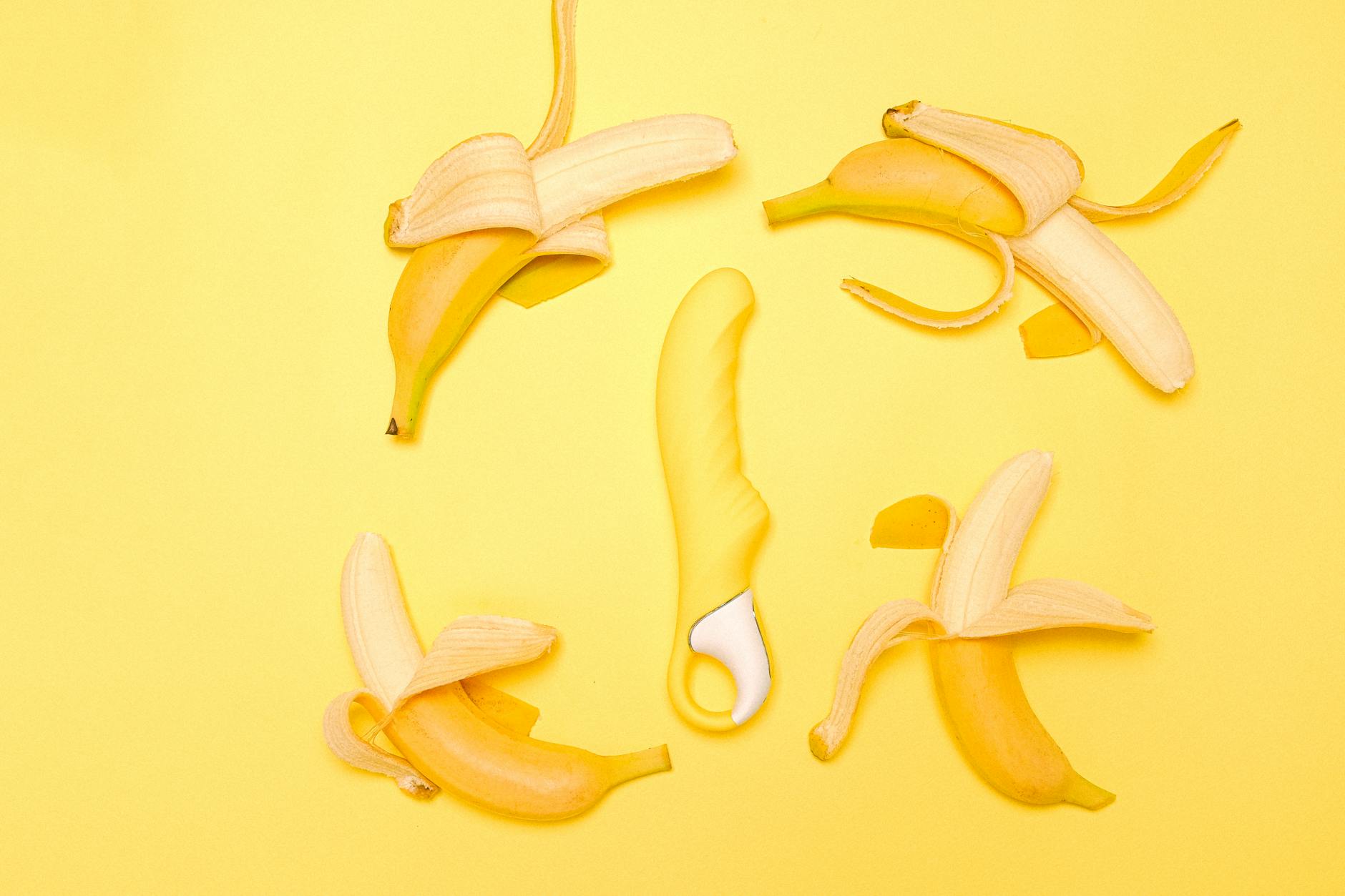
Lubrication isn't just about wetness. It's about comfort, sensation, and whether sex feels like something your body wants to do again. When natural lubrication is low or inconsistent—whether from hormones, medication, stress, or just how your body works—the entire experience can shift from pleasurable to uncomfortable.
But here's the thing: a lemon vibrator, with its suction-based design, works differently than traditional vibrators. It doesn't depend on gliding friction the same way. That changes what you need and what you feel.
Most vibrators work through rapid vibration against tissue. That motion needs lubrication to prevent irritation and allow smooth movement. A lemon clitoral vibrator like the Lem uses gentle suction instead. Imagine the sensation of a soft mouth—it's creating a slight pressure and release, not grinding friction.
Suction-based stimulation means you need less lubricant to feel amazing. The mechanism itself is gentler on delicate tissue, even when moisture is low. For people who struggle with natural lubrication due to hormonal changes, anxiety, medications, or just individual variation, this is genuinely transformative.
That doesn't mean you skip lubricant entirely. It means the pressure and type matter less, and you have more flexibility in how much you use.
Let me walk you through what I recommend to my clients.
Start with quality over quantity. A water-based lubricant designed for sensitive skin is your baseline. Brands like Hyalo Gyn or Sliquid are formulated specifically for low-lubrication situations. They're thicker and longer-lasting than standard lubes, so a little goes further.
Apply before you start. Don't wait to feel friction and then add lube. Coat your entire vulva and the rim of the Lem's opening with a thin layer. This primes the experience and removes the mental friction of "will this feel dry." It won't.
Use the Lem on the lowest settings first. Patterns 1 and 2 are subtle and give your body time to warm up and produce its own moisture. Many people find that as arousal builds, natural lubrication follows. Starting gentle means you're not fighting your own nervous system.
Reapply mid-session if needed. Especially in longer sessions, a quick dab keeps sensation smooth. This is normal and not a sign something's wrong.
Sometimes the issue isn't technique. It's that your body genuinely isn't producing enough natural moisture, and external lube alone doesn't feel sufficient.
If you're on medications like antihistamines, SSRIs, or hormonal birth control, talk to your doctor. Not all options are equal—there may be alternatives with fewer sexual side effects.
If you're post-menopausal or approaching menopause and dryness is severe, vaginal estrogen cream is worth considering. It's applied locally, has minimal systemic absorption, and often transforms comfort within weeks. This isn't just helpful for penetration. It also helps the entire vulva feel more resilient and responsive.
For immediate support, hyaluronic acid serums designed for intimate use (like Hyalo Gyn) layer under lubricant and actually help tissue retain moisture longer.
Here's what I see in my practice: when lubrication feels unreliable, people often stop initiating sex. They assume it's their body failing them. Then their partner starts to feel rejected. Then there's resentment. Then nobody's aroused, and lubrication gets worse.
That spiral is real. And it's preventable.
Lubrication isn't a measure of desire. You can want sex intensely and still have a dry vulva due to stress, dehydration, hormones, or just how your nervous system works. When you use a tool like a lemon vibrator that doesn't require friction-based movement, and when you're intentional about adding external moisture, you break that shame cycle.
Your body isn't broken. The mechanism just needed adjusting.
Water-based and hybrid lubes are safest with silicone toys like the Lem. Silicone-based lubes can degrade silicone over time.
Thicker lubes feel more luxurious and last longer. Thinner lubes feel more natural but require reapplication. For low-lubrication situations, thicker wins.
If you have sensitive skin or vulvodynia, avoid lubes with glycerin, parabens, or fragrance. Simple formulas with hyaluronic acid or aloe work best.
One thing I always mention: don't assume the most expensive lube is best. Sliquid, Hyalo Gyn, and even simple coconut oil (if you're not prone to yeast infections) can be perfect. Test on your wrist first. If it feels good there, it'll feel good elsewhere.
When you're worried your body won't cooperate, anxiety itself tanks natural lubrication. It's a feedback loop.
Using a lemon vibrator with intentional lubrication gives you agency. You're not waiting for your body to produce enough moisture on its own. You're actively creating the conditions for pleasure. That shift from passive to active is huge.
Plan for it. Keep your favorite lube on the nightstand. Know what patterns feel best on your body. When you've done that groundwork, sex stops feeling uncertain. It feels like something you're choosing and controlling.
If you have a partner, it's worth having a straightforward conversation. "I want to use lubricant because it feels better for me. Not because I'm not aroused—because this feels more comfortable." Most partners just want you to feel good. Removing the guesswork and worry helps everyone.
If you're using a lemon vibrator solo, none of this applies. You're just creating the best experience for yourself.
Your lubrication will vary. Hydration, hormones, stress, whether you've eaten, where you are in your cycle. Some days you'll produce plenty. Other days, external lube will be essential. That's not a problem. It's just biology. The Lem, paired with intentional lubrication, works regardless.
The goal isn't to get your body to work like it did at 22. It's to build a pleasure practice that honors how you work right now.
Start with a thin layer across your vulva and around the Lem's opening. You're aiming for enough to feel smooth, not slippery. A quarter-sized amount usually covers it. If sensation fades mid-session, add a bit more. You'll quickly find your sweet spot.
No. The Lem is made from medical-grade silicone, and silicone-based lubes degrade it over time. Stick to water-based or hybrid formulas. It's a small constraint with a big payoff for toy longevity.
Happens more than you'd think. Your nervous system is focused on sensation and pleasure, not producing lubricant. It's not a malfunction. Just add more external lube. The Lem is designed to work beautifully with supplemental moisture.
Not at all. Plenty of people with healthy sexuality use external lube regularly. Some are post-menopausal. Some are on medications. Some just prefer the glide. The Lem works with your body, not against it. If lube helps you feel good, use it without hesitation.
Different, not less intense. Many people find that adequate lubrication actually increases sensation because there's no discomfort or friction to distract from pleasure. You're fully in your body instead of part of your brain worrying about irritation.
Your lube choice might be too thick or you might have applied too much. Start with less. Some people also find that water-based lubes feel better than hybrid ones. Experiment. You might also discover that lower vibration patterns work better when there's lubrication involved. Patterns 1 and 2 often feel more precise than 3 and 4 when moisture is present.
Lubrication anxiety doesn't have to control your sex life. When you pair a tool like a lemon clitoral vibrator—which works with your body instead of against it—with intentional, quality lubrication, pleasure becomes reliable again. Not certain, not automatic, but reliably accessible.
That's worth planning for. That's worth caring about. Your comfort and pleasure matter.
If you have questions about what works for your body or what to try next, we're here to help. You can reach out anytime at /contact.