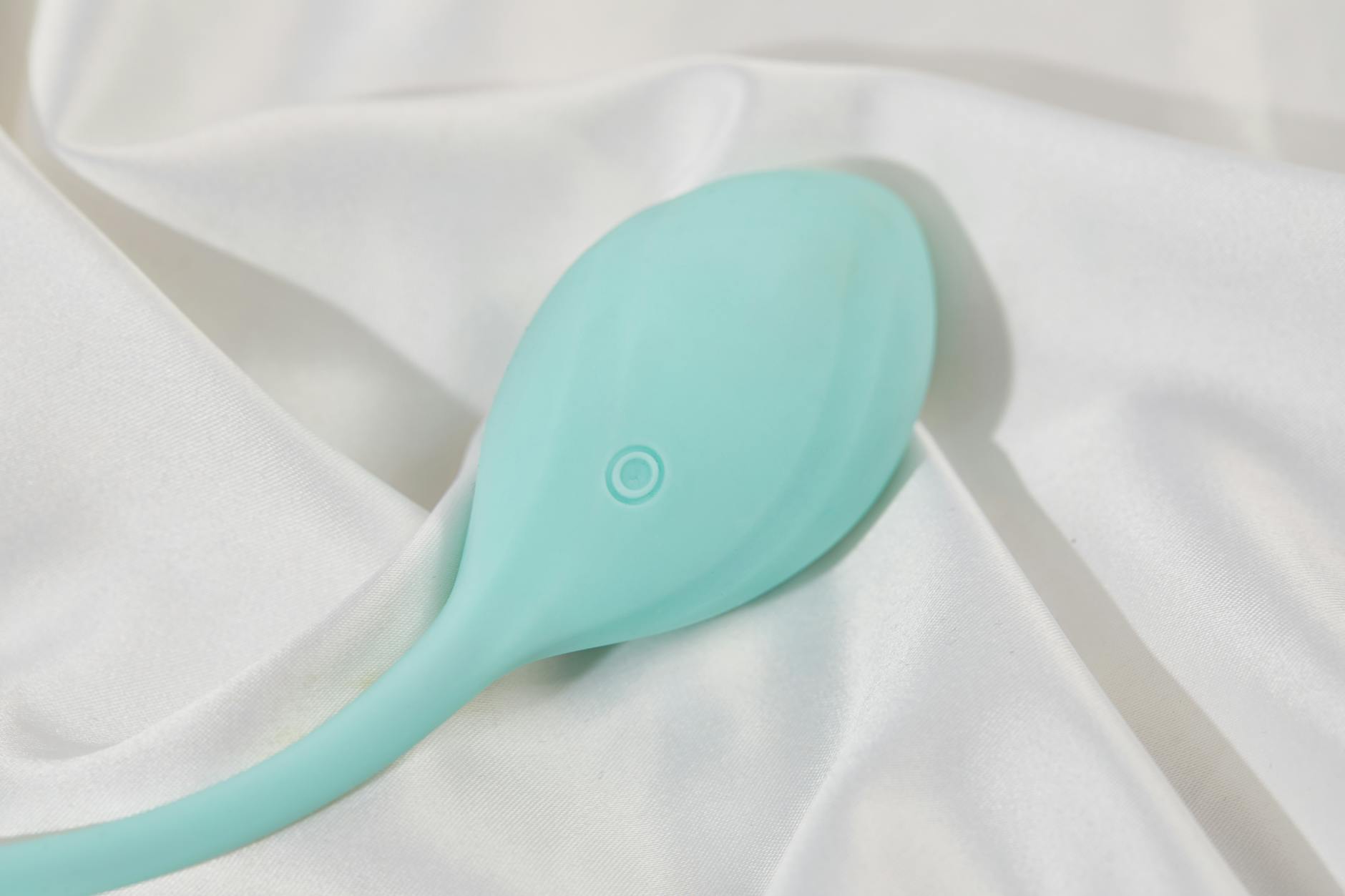
Sexual rejection stings differently than other rejections. When your partner declines sex, your brain doesn't just hear "not right now." It hears "not desirable." The logical part of you knows better. The nervous system doesn't care what you know. It's already filing this away as evidence that something is wrong with you.
The research backs this up. Studies on sexual rejection show it activates the same neural pathways as social exclusion and physical pain. Your body is responding authentically to a genuine wound.
Here's what I see in my practice: people who've experienced repeated sexual rejection start to avoid initiating altogether. They stop touching their own bodies the same way. They wear different clothes. They organize their entire nervous system around preventing future rejection. Solo pleasure becomes collateral damage.
A lemon vibrator, used intentionally, can reverse this process.
When rejection happens in a partnership, there's a specific belief that gets lodged: "My desire is too much" or "My body is the problem." Using a clitoral vibrator alone directly contradicts this belief at the nervous system level.
Here's why it works:
Your body is receiving pleasure with zero judgment. There's no partner performance anxiety layered on top. There's no internal negotiation about whose needs come first. There's no risk of hearing "not right now" while you're already vulnerable.
This matters because confidence isn't rebuilt through logic. It's rebuilt through experience. Every time you use a Lem or similar lemon clitoral vibrator solo, you're literally teaching your nervous system: "This body creates its own pleasure. This body is capable and responsive. This body doesn't need permission."
Start with no agenda except feeling something. No target orgasm. No timeline.
Set aside 15 minutes when you won't be interrupted. Dim the lights. Maybe light a candle. Not because you need to perform romance for yourself, but because your nervous system is in protection mode right now and it needs safety cues.
Use a water-based lubricant. Rejection often stalls arousal, so lubrication isn't a sign of brokenness. It's basic physiology and it removes friction (literally and metaphorically).
Start the lemon vibrator on its lowest setting. Move it slowly across your entire vulva, not just the clitoris. Your body has been braced. It needs slow reintroduction to its own sensation.
The goal here is recalibration, not results. You're teaching your nervous system that touch can feel good without leading anywhere or proving anything.
Once you've spent time with low sensation, you can introduce more intentional stimulation. This is where the air-suction design of a lemon clitoral vibrator like the Lem really shines. Unlike traditional vibrators, which rely on repetitive vibration, suction toys create a gentler, more diffuse sensation that doesn't require you to build to maximum intensity.
Set aside 20 minutes. Use the same setup. Start at a low setting again, then gradually increase as your body responds.
Pay attention to what feels good without judgment. Maybe it's the softer patterns. Maybe you prefer more intensity than you thought. Maybe you like combining the vibrator with your fingers. This is the point. Your pleasure profile is information, not a test.
If you notice your mind spiraling into "why doesn't my partner want this," that's normal. Gently redirect: "My nervous system is healing. My body is learning it's safe again." Then refocus on sensation.
Confidence after sexual rejection doesn't feel like bravado. It feels like indifference in the best way possible.
You stop organizing your day around your partner's interest level. You stop wearing less appealing clothes to avoid triggering your own desire. You notice yourself standing differently, breathing differently, moving through the world as someone who knows their own body works.
This usually happens around week three or four of consistent solo practice. You'll notice it first in small moments. You'll catch your own eye in the mirror and not immediately feel shame. You'll have a moment of actual physical pleasure and your brain won't immediately ask "why am I alone?" You'll recognize desire in your own body and treat it like the neutral, healthy signal it is.
That's confidence rebuilding. Not "I'm over it." Just "I'm a person whose body works."
Here's the tension: as your confidence returns, your desirability often increases. Partners are drawn to people who aren't desperately seeking their approval. It's not fair. It's just how nervous systems work.
When your partner initiates after you've spent weeks rebuilding your own pleasure, you'll notice you have a choice. That's new. For months you probably said yes automatically, grateful for the attention. Now you can actually feel whether you want to.
Sometimes you will. Sometimes you won't. This is the moment your confidence actually means something. You're not having sex to prove you're desirable. You're making a choice based on what your body actually wants.
If you want to bring solo pleasure into partnered sex, that's a separate conversation and a different kind of vulnerability. You can talk about what you've discovered about your own body. You can invite your partner to explore with a lemon vibrator together. Or you can keep that as your private reconnection. There's no rule.
Let's be direct: solo pleasure is a tool for rebuilding your own sense of value. It's not a fix for a partner who consistently refuses sex or who's withdrawn intimacy as control.
If the rejection is systemic, if your partner is using sex as leverage or punishment, a lemon clitoral vibrator gives you back your own pleasure. But it doesn't fix the relationship. That requires different work, possibly with a couples therapist or counselor.
Solo pleasure is a form of self-trust. It's important. It's also not a substitute for being in a partnership where your desire is respected.
Eventually, solo practice with a Lem or other quality lemon adult toy becomes just part of how you know yourself. It's not a healing project anymore. It's just how you relate to your own body.
This is the actual win. Not getting over the rejection. Not proving anything to your partner. Just reaching a point where your body is neither a source of shame nor a source of desperation. It's just yours.
Your pleasure matters. It matters on its own, independent of anyone else's response to it. Using a clitoral vibrator solo is one of the clearest ways to teach your nervous system this truth.
There's no standard timeline, but most people report noticeable shifts in 3-4 weeks of consistent solo practice. That said, deep confidence work can take months or longer, especially if rejection was repeated. The nervous system moves at its own pace. Weekly solo practice is more effective than daily practice done with resentment. Show up with gentleness, not pressure.
Completely normal. Your brain might interpret solo pleasure as "proof" that you're the problem, or it might spin a narrative that you're being unfaithful. You're not. Solo pleasure is self-care. It's also a direct contradiction to the shame narrative rejection plants. That discomfort is actually the healing process. Sit with it, don't run from it.
That depends on your relationship dynamics and how safe you feel. If you're in a secure partnership, telling your partner can actually increase understanding. You could frame it as "I'm reconnecting with my own pleasure because rejection has been hard for me." If you're in a dynamic where this information would be weaponized against you, keep it private. Your pleasure doesn't require permission or transparency. It requires safety.
Orgasm isn't the point during the rebuilding phase. Sensation and safety are. Some people find their orgasm capacity returns quickly once they feel safe again. Others take longer. Some discover they prefer different types of stimulation than they thought. The lemon clitoral vibrator is a tool for reconnection, not a performance metric.
Yes, and it's worth distinguishing between two things: nervous system healing and emotional processing. A vibrator helps with the nervous system. Your body learning it can feel good again is crucial. But if you're still emotionally hurt or angry at your partner, that's different work. Solo pleasure + therapy or couples counseling together is more effective than solo pleasure alone.
Privacy and permission matter here. Some people use the shower or bath. Some set a boundary about locked bedroom time. Some do it when their partner is out. The method depends on your living situation and comfort level. What matters is that you create space where you're not scanning for your partner's presence. That's genuinely hard when you're cohabiting after rejection, but it's possible.
Rejection is real. The wound it leaves in your nervous system is real. And your body's capacity to heal itself, to feel pleasure, to know its own value is also real. A lemon vibrator is a tool for that reconnection. Not a magic fix. Just a gentle, consistent way to tell your nervous system: "You're okay. You're safe. You're capable." Your pleasure matters because you exist, not because anyone else confirms it.